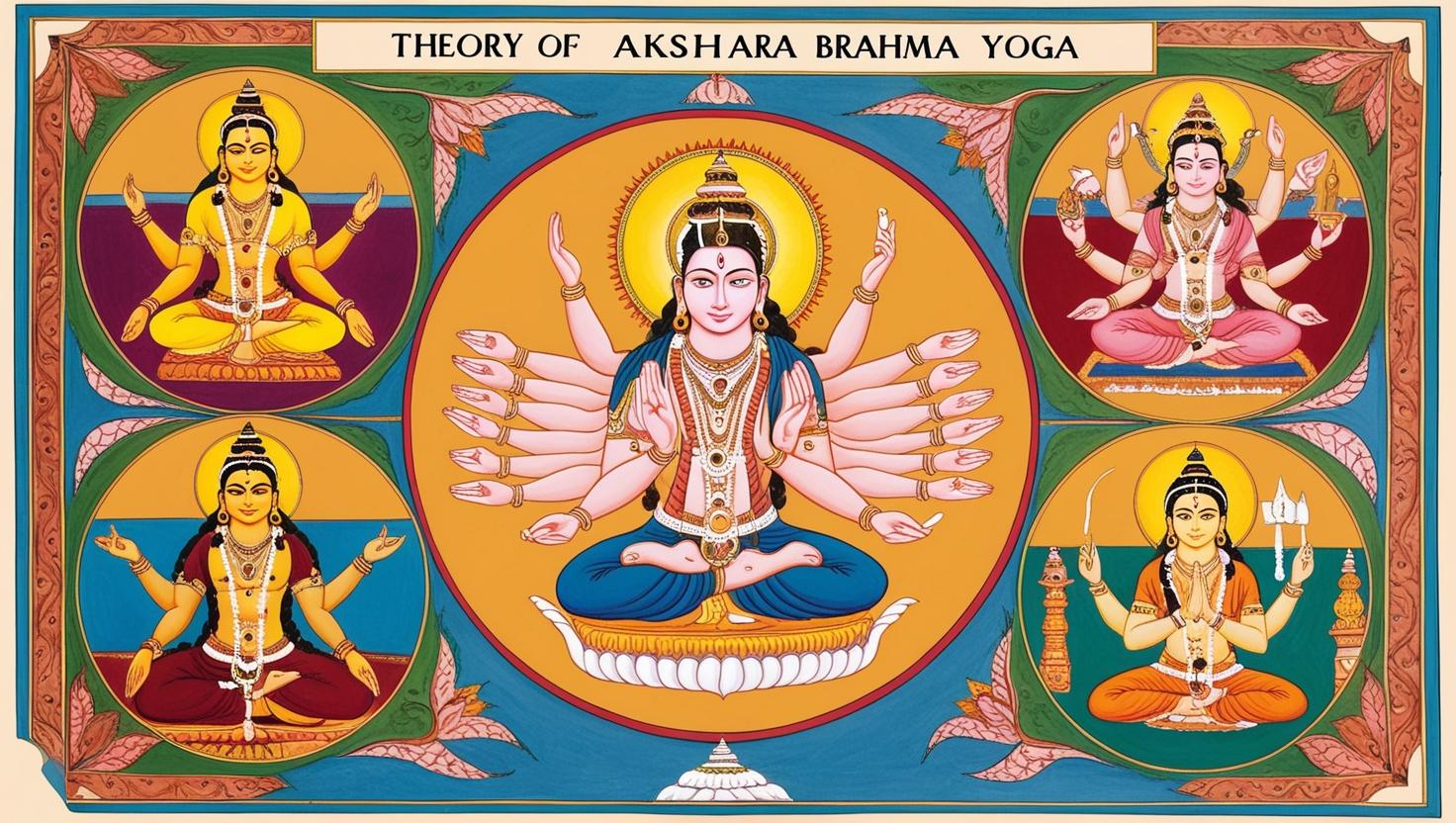
Essence of Upadesa Sara: The Path to Self-Realization
Upadesa Sara, composed by Bhagavan Ramana Maharshi, distills the essence of spiritual practice and self-realization. It begins by pointing out the limitations of ego-driven action and highlights the value of performing actions selflessly, offering them to the Divine. The text then progresses through various paths—karma, bhakti, and yoga—ultimately emphasizing that the direct path to liberation is through self-inquiry. Ramana teaches that the mind should be turned inward to discover its source, which is pure consciousness. The real Self is ever-present, beyond body and mind, untouched by actions or thoughts. Realizing this Self is the highest goal and the essence of all spiritual disciplines. For More Information Click Here

What is Upadesa Sara?
Upadesa Sara (also spelled Upadesha Saram, meaning “The Essence of Teachings”) is a concise spiritual text composed by Bhagavan Ramana Maharshi. It presents the core principles of various spiritual paths—karma yoga (path of action), bhakti yoga (path of devotion), raja yoga (path of meditation), and jnana yoga (path of knowledge) culminating in the supreme path of self-inquiry (atma-vichara). The text emphasizes that liberation (moksha) is attained not through external rituals but through turning inward and realizing the true Self.
Chapters and Verses:
Upadesa Sara consists of 1 chapter with 30 verses (slokas) written in Sanskrit. It is also available in Tamil, Telugu, and Malayalam, translated by Ramana Maharshi himself.

Central Message of Upadesa Sara: Realization through Self-Inquiry
The core teaching of Upadesa Sara is that self-realization is the ultimate goal of all spiritual practices, and the most direct path to it is self-inquiry (atma-vichara). Ramana Maharshi explains that while actions, devotion, and meditation have their place, they are preparatory. True liberation is attained only by tracing the source of the ego-thought (“I”) and realizing the Self as pure, formless awareness. When the mind turns inward and dissolves in its source, what remains is the eternal, blissful Self—free from duality and suffering. For More Information Click Here
Bhagavan Ramana Maharshi: The Sage Behind Upadesa Sara
Upadesa Sara was composed by Bhagavan Sri Ramana Maharshi, a renowned 20th-century Indian sage known for his silent presence and emphasis on the path of self-inquiry (ātma-vichāra). He wrote this work in response to a request to summarize the essence of spiritual disciplines in a simple, accessible form.
Ramana Maharshi’s central thought in Upadesa Sara is that all spiritual practices ultimately aim at transcending the ego and realizing the true Self. While he acknowledges the value of action (karma), devotion (bhakti), and meditation (dhyana), he asserts that self-inquiry is the most direct path. According to him, liberation does not lie in doing but in being—being aware of one’s true nature as pure consciousness. His teachings in this text gently guide the seeker inward, away from rituals and outward search, to the inner source of the ‘I’-thought, where the ego dissolves and the Self shines as ever-free.

Significance of Upadesa Sara in the Spiritual Journey
Upadesa Sara holds great importance as it succinctly presents the essence of all major spiritual paths and culminates in the highest teaching of Self-inquiry. It offers a clear roadmap for seekers at every stage—whether engaged in action, devotion, meditation, or introspection. The text dismantles the illusion that liberation lies in mere outer activity, redirecting the seeker inward to the source of the mind, where true freedom resides. Its beauty lies in its simplicity, universality, and depth, making it a timeless guide for anyone seeking spiritual truth. Above all, it emphasizes that Self-realization is not attained by effort alone, but by surrender and stillness, revealing the Self that already is. For More Information Click Here

Conclusion
Upadesa Sara is a profound yet accessible guide that distills the heart of spiritual practice into clear and concise teachings. Through its 30 verses, Bhagavan Ramana Maharshi leads the seeker from outer disciplines to the inner path of self-inquiry, revealing that the true Self is ever-present, beyond all action and thought. The text reminds us that liberation is not something to be achieved, but realized by recognizing our own nature. Rooted in silence and simplicity, Upadesa Sara continues to inspire seekers across traditions to turn inward and abide as the Self—pure awareness, eternal and free.