Introduction
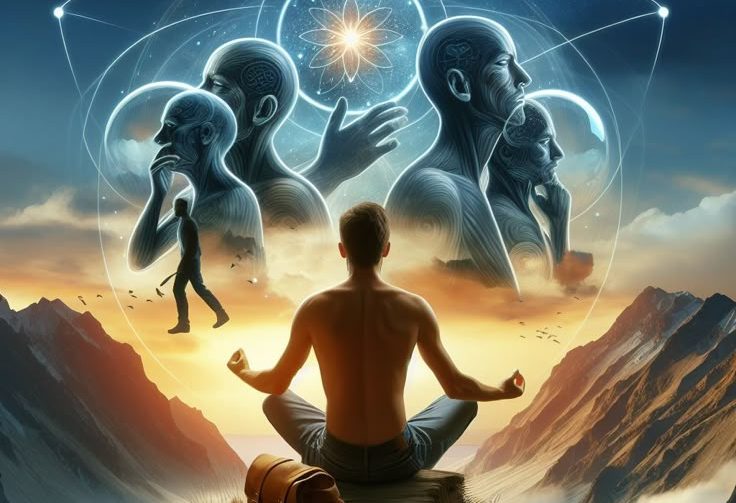
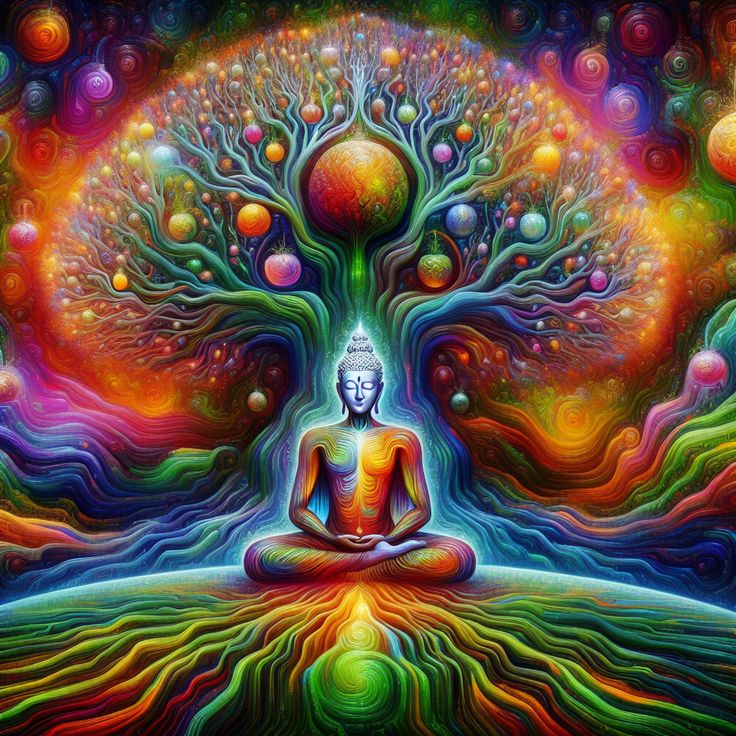
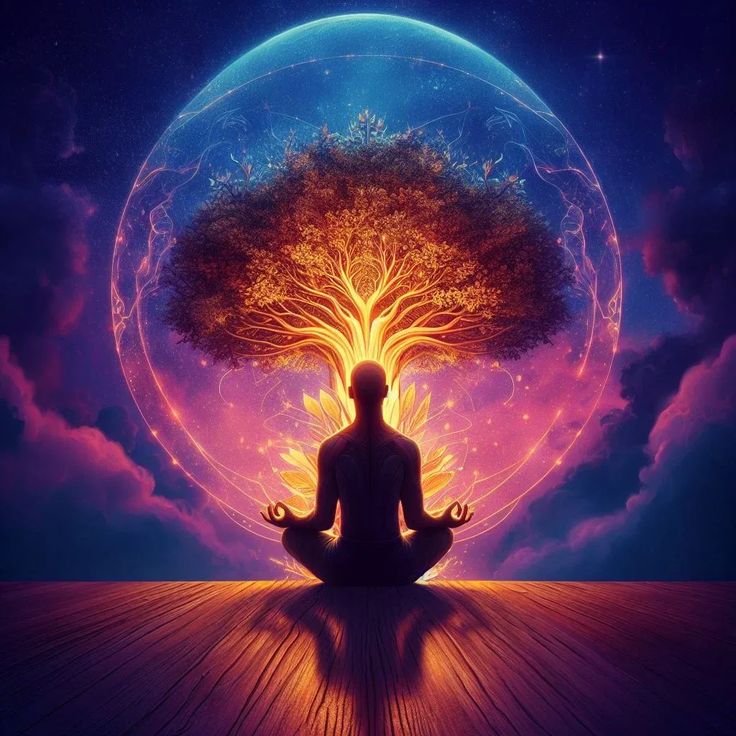
Mantra 14 of the Kish K tradition, as taught by Yad Raja, is a profound meditation on the nature of the mind, ego, and pure consciousness (Atma). It explores how the mind, when clouded by ignorance and ego, creates delusion and fragmentation, but when purified, reflects the divine light of consciousness. Through poetic analogies—like water flowing from mountains and pure water mixing with pure water—this mantra reveals the path to self-realization: conserving mental energy, dissolving ego, and awakening to the eternal truth of oneness with universal consciousness. The mantra’s wisdom is both philosophical and practical, guiding seekers toward liberation (moksha) from fear, attachment, and mortality. Click Here To More Detail.

Themes
- Mind as Flowing Energy – Compared to water, the mind disperses when uncontrolled but gains immense power when conserved.
- Ego as Obstruction – Ego, the false identification with body and mind, veils our divine nature.
- Purity of Mind – A pure, ego-free mind perceives universal oneness.
- Knowledge and Illumination – Crystallized self-knowledge dissolves ignorance and reveals Atma.
- Oneness Beyond Death – Realizing eternal consciousness removes fear of mortality.
- Transient vs Eternal – The body, mind, and world are fleeting; the true self is unchanging awareness.
Keywords
- Atma (Self): Pure consciousness, eternal awareness.
- Ahamkara (Ego): False identification with body and mind.
- Maya (Illusion): The delusion of separateness and multiplicity.
- Jnana (Knowledge): Spiritual wisdom that dissolves ignorance.
- Manas (Mind): Instrument of consciousness, scattered when impure, divine when purified.
- Sat-Chit-Ananda: The essence of being – Existence, Awareness, Bliss.
- Moksha: Liberation through realization of unity with Brahman. Click To Access For Video.
Why Study This Mantra?
- To understand the dual nature of the mind—its worldly tendencies and its divine potential.
- To recognize ego as the fundamental obstacle to peace and realization.
- To learn practical analogies (water flow, purity) that clarify complex spiritual truths.
- To shift from identification with the body and mind to the eternal self.
- To strengthen inner focus, conserve mental energy, and channel it toward self-realization.
- To prepare for fearless living and dying, grounded in the truth of eternal consciousness.
Benefits of Study & Practice
- Mental Clarity: Less distraction, greater focus and inner calm.
- Ego Dissolution: Freedom from false identification and attachment.
- Inner Strength: Harnessing conserved mental energy for spiritual growth.
- Fearlessness: Liberation from the fear of death and impermanence.
- Peace and Harmony: Perceiving unity fosters compassion and balance in life.
- Spiritual Progress: Strengthens meditation, contemplation, and self-inquiry.
- Ultimate Liberation (Moksha): Awakening to the truth that Atma = Brahman. Click To Access For Video.
How Many Times to Study Per Day?
- Morning (Dawn): Best time for reflection, aligning with purity and silence of nature.
- Evening (Sunset): To review the day, dissolve ego-driven impressions, and return to awareness.
- Before Sleep: To remind yourself of eternal consciousness and let go of daily identifications.
👉 Ideal rhythm: 2–3 focused study or meditation sessions daily.
- Each session: 10–15 minutes of study + silent contemplation.
- More important than frequency is consistency—better to practice a little daily than much occasionally. Click To Access For Video.

Conclusion
Mantra 14 is not merely a philosophical teaching but a practical guide to liberation. By comparing the mind to flowing water and ego to a false veil, Yad Raja directs seekers to conserve mental energy, purify the mind, and dissolve the ego through illumination. The teaching affirms that human identity is divine in essence, and that realization of this truth leads to fearlessness, peace, and freedom from suffering.