Introduction
The study of Atma (the Self), as presented in the Upanishads and other spiritual traditions, reveals that our true nature is not limited to body, mind, or emotions, but is pure consciousness—eternal, unchanging, and self-luminous. The video teaching emphasizes a powerful meditation technique in which Atma is visualized as a flame without smoke in the heart center. This flame symbolizes clarity, purity, and timeless awareness, untouched by the fluctuations of the external world or the restless mind. By contemplating and meditating on this flame of awareness, seekers gradually transcend identification with the waking, dreaming, and deep sleep states, entering into the direct experience of fearlessness, timelessness, and inner peace. This practice is both a philosophical reflection and a deeply experiential meditation, guiding aspirants toward the realization of their true, immortal essence. Click Here To More Detail.

Themes
- Atma as Pure Consciousness: The self as the eternal, unchanging witness beyond body and mind.
- Flame Without Smoke: A metaphor for the self’s clarity, purity, and self-luminosity.
- Timelessness of Awareness: Atma exists beyond past, present, and future—always the eternal now.
- Mind Transformation: Moving from restless, thought-filled mind to silent, concentrated awareness.
- Fearlessness Through Realization: Liberation from the fear of death and change by realizing the immortal self.
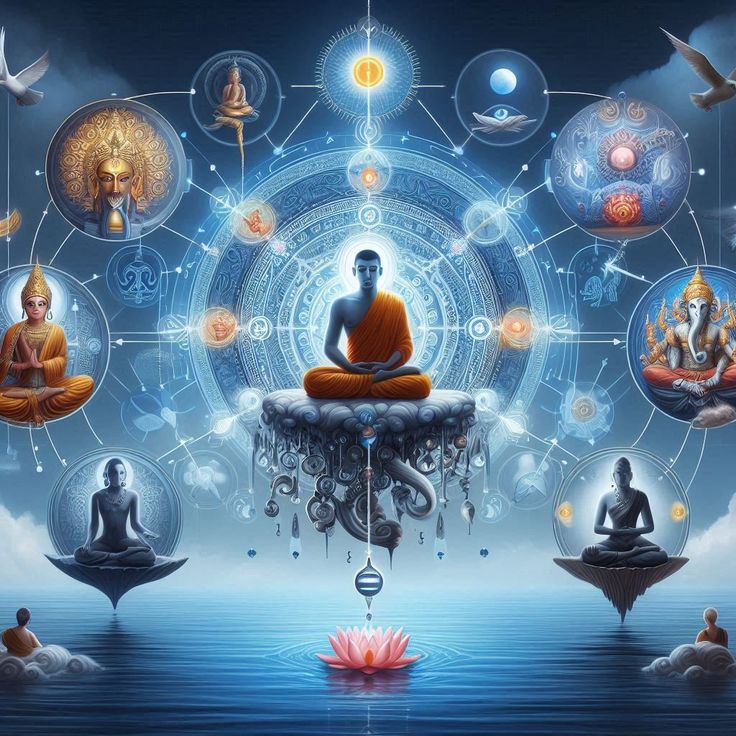
- Unity of Traditions: Different mantras, names, and meditative paths all converge on realization of the self.
- Self-Knowledge as Immediate: The self is known directly as “I am,” requiring no external validation.
Keywords
- Atma: The true self, pure consciousness.
- Brahman: The absolute, infinite reality that is one with Atma.
- Flame Without Smoke: Symbol of Atma’s purity and self-luminosity.
- Heart Center (Hridaya): Meditative locus of Atma, described as thumb-sized light within.
- Manifest Mind: The active, restless mind filled with thoughts and emotions.
- Unmanifest Mind: The silent, concentrated state, precursor to self-realization.
- Fearlessness (Abhaya): Natural outcome of realizing the deathless self.
- Self-Knowledge (Atma-Jnana): Direct awareness of one’s eternal nature. Click To Access For Video.
Why Study
Studying and practicing this teaching is essential for spiritual seekers because:
- It reveals the true nature of the self beyond body and mind.
- It shows the eternal presence of consciousness, beyond time.
- It provides a clear meditation method (visualizing Atma as a flame in the heart).
- It integrates ancient wisdom with practical practice, applicable across traditions.
- It addresses the deepest human fears (death, change, loss) by pointing to the imperishable self.
- It directs seekers toward direct experience, not just intellectual knowledge.
Benefits
- Fearlessness: Realizing that the self is untouched by time, death, or suffering.
- Inner Peace: Freedom from restlessness as the mind settles into awareness.
- Purity of Mind: By meditating on the flame, distractions dissolve, leaving clarity.
- Unity of Being: Dissolution of subject-object duality in direct awareness.
- Spiritual Strength: Regular practice brings stability, courage, and equanimity.
- Self-Knowledge: Recognition of the self as self-luminous, ever-present “I am.”
- Liberation (Moksha): The highest goal—living free from bondage, as a jivanmukta (liberated while alive). Click To Access For Video.
How Many Times to Study per Day?
Consistency is more important than long sessions. A balanced daily rhythm could be:
Morning (Dawn):
- Chant or silently repeat the mantra.
- Meditate for 15–30 minutes, visualizing the flame in the heart.
Midday (Break/Quiet Moment):
-
-
5–10 minutes of silent reflection, bringing awareness back to the inner flame.
-
Evening (Before Sleep):
- Contemplate on the teaching of Atma as eternal and fearless.
- Short meditation (15–20 minutes) to calm the mind before rest.
👉 Recommended: 2–3 sessions daily, even if short. Over time, the mantra’s awareness naturally flows into daily activities, making life itself a meditation. Click To Access For Video.

Conclusion
Meditating on Atma as the flame of pure, smokeless light within the heart is a profound method for realizing the eternal self. This practice dissolves the mind’s restlessness, transcends temporal limitations, and reveals the self-luminous awareness that underlies all experiences. Through steady study, reflection, and meditation, seekers gradually shift from identifying with the body and mind to recognizing themselves as timeless, fearless consciousness. This realization is not abstract philosophy—it is a lived experience that transforms fear into peace, ignorance into wisdom, and bondage into freedom. The teaching affirms that the self is already here, already known as “I am,” needing no external validation. The journey, then, is not about becoming something new, but about removing ignorance and resting in one’s natural state of pure awareness.
Regular practice of this meditation, combined with sincere self-inquiry, leads to the highest fulfillment: liberation, peace, and the fearless joy of living as the eternal Atma, the imperishable flame of consciousness.