Introduction
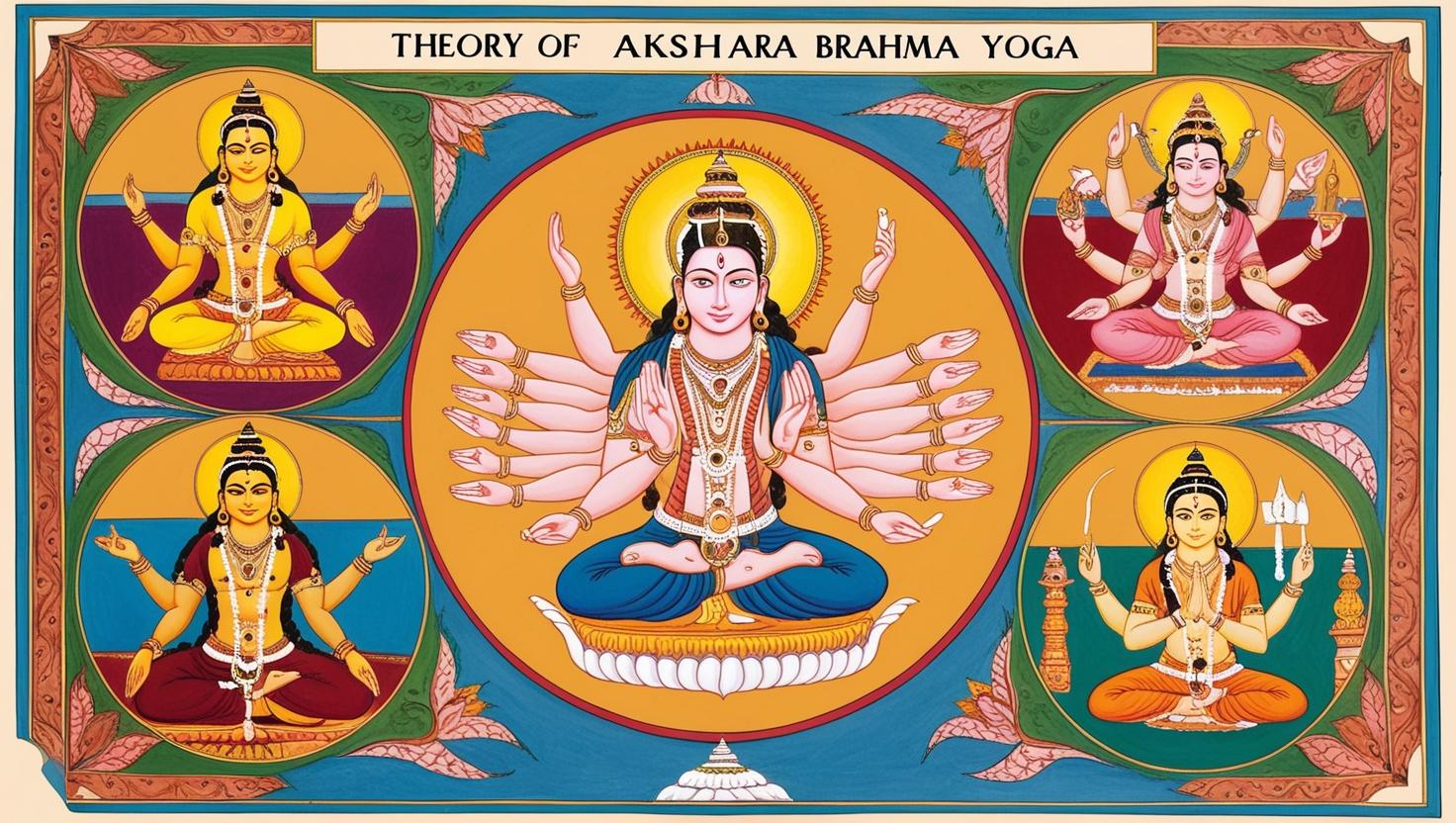
This chapter serves as the culmination of the first five chapters of Panchadasi, collectively known as the Viveka Panchakam, which focus on various discriminative analyses (Viveka). Chapter 5, titled Mahavakya Viveka Prakaranam, delves into the “Mahavakyas”—the Great Sayings of the Upanishads—which encapsulate the core vision of Advaita Vedanta. These Mahavakyas declare the essential oneness of the individual self (Jivatma) and the Supreme Self (Paramatma).
The four principal Mahavakyas are:
- Prajnanam Brahma (Consciousness is Brahman) – Aitareya Upanishad (Rig Veda)
- Aham Brahmasmi (I am Brahman) – Brihadaranyaka Upanishad (Yajur Veda)
- Tat Tvam Asi (That Thou Art) – Chandogya Upanishad (Sama Veda)
- Ayam Atma Brahma (This Self is Brahman) – Mandukya Upanishad (Atharva Veda)
Each pair of verses in this chapter is dedicated to analyzing one of these Mahavakyas, elucidating their meaning, implications, and practical significance for spiritual seekers. Click Here To Access more other text.

Themes of Chapter 5
-
Unity of Jivatma and Paramatma
The central thesis of the chapter is the essential oneness of the individual soul (Jivatma) and the Supreme Being (Paramatma). The apparent duality is shown to be due to ignorance (avidya), which is removed through knowledge (jnana).
-
Analysis of the Mahavakyas
Each Mahavakya is carefully examined to show how it points to non-dual reality. Their contextual and literal meanings are explored to bring out the spiritual vision that they aim to convey.
-
Primacy of Consciousness (Chaitanya)
Consciousness is shown to be self-revealing, unchanging, and independent of all objects. It is the substratum of all experiences and the ultimate truth.
-
Adhyaropa-Apavada Method
The traditional Vedantic method of “superimposition and negation” is employed to first introduce and then negate the attributes of the self, guiding the seeker step-by-step to the unconditioned Self.
-
Importance of Direct Experience
The text emphasizes that liberation (moksha) is not attained by mere intellectual understanding, but by direct realization of one’s true nature through deep inquiry and contemplation. Click view PDF.

Why Study Chapter 5?
- Clarity on Core Vedantic Concepts: This chapter provides a systematic and in-depth explanation of the central teachings of Advaita Vedanta.
- Guidance for Self-Inquiry: The breakdown of Mahavakyas serves as a powerful aid for atma-vichara (self-inquiry).
- Foundation for Meditation: Understanding the identity between the self and Brahman supports deeper meditative absorption (nididhyasana).
- Resolution of Doubts: It addresses and resolves doubts regarding the relationship between the self, world, and God. Click view PDF.
How Many Times to Study?
Due to its depth and subtlety, repeated study of Chapter 5 is strongly recommended. Each reading can reveal newer insights. Studying under the guidance of a realized teacher is especially beneficial for internalizing its teachings. Click view PDF.
Conclusion
Chapter 5 of Panchadasi stands as a profound and lucid exposition of the core teachings of Advaita Vedanta. Through a systematic analysis of the four Mahavakyas, it leads the seeker from indirect knowledge to direct realization. This realization is the key to liberation, transforming intellectual understanding into immediate, experiential knowledge of one’s true nature as non-dual consciousness. Thus, it serves both as a philosophical masterpiece and a practical manual for spiritual awakening.