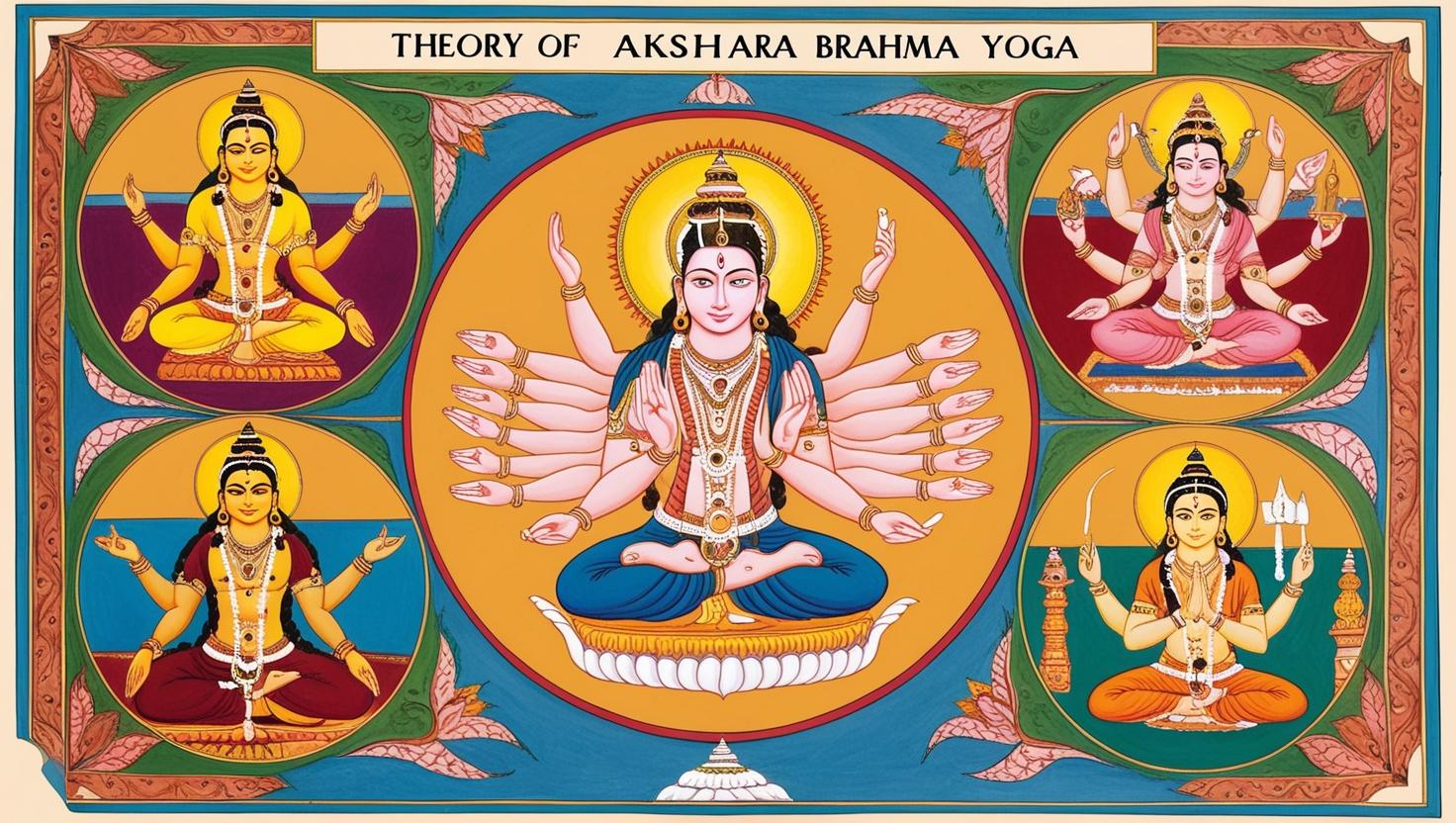
Introduction
Vedānta Dindimā is a crisp and commanding text that vibrates with the core spirit of Advaita Vedānta—non-duality of the Self and Brahman. Like a war drum that awakens the army, this text is meant to awaken the seeker. In a mere 94 verses, Śrī Śaṅkara demolishes illusions, affirms Brahman, and calls the jīvātman back to its source—the pure, actionless, changeless Self Click Here To Access more other text.

Structure of the Text
The work proceeds in six main phases:
- Clarification of Dualities – Reality vs Appearance
- Means to Knowledge and Liberation
- Rejection of Karma, Rituals & External Pursuits
- Affirmation of the Sākṣī (Witness Self)
- Nature of the True Brahma-Jñānī
- Final Declaration of Non-duality and Liberation Click view PDF.
Each verse functions like a Mahāvākya — a direct pointer to Brahman.
Core Verses & Proclamations
Ātman vs. An‑ātman (Verses 1–2)
1–2. Two categories exist: the knower (Brahman/Ātman) and the known (body, mind, world).
Proclamation: Ātman is Brahman—not the body–mind–sense complex.
Jñāna vs. Avidyā (Verse 3)
- Knowledge leads to liberation; ignorance binds.
Proclamation: Liberation arises solely from knowledge.
Knower vs. Known (Verse 4)
- The knower illuminates the known; the universe is mere content.
Proclamation: Knower is Brahman; the world is the known.
Sūkha vs. Duḥkha (Verse 5)
- Joy is Brahman; sorrow belongs to samsāra (conditioned existence).
Proclamation: Reality is joy.
Whole vs. Part (Verse 6)
- Brahman is the whole; jīvātman, merely a part.
Proclamation: Unity alone is real.
Jñāna vs. Karma (Verse 7)
- Knowledge is grounded in Reality; action is in the individual.
Proclamation: Salvation comes through knowledge, not action.
Hearing, Reflection, Meditation & Liberation (Verses 8–12)
8–10. Only the teachings of Brahman deserve śravaṇa (hearing), manana (reflection), nididhyāsana (meditation).
11–12. Liberation is solely from knowledge—rituals or social position cannot grant mokṣa.
Renunciation of Conditioned Life (Verses 13–18)
13–18. The life of becoming—karma and its fruits—is illusory.
Renounce actions, arguments, desires—know Brahman alone.
While acts of purification may be preliminary, ultimate freedom is by Self‑knowledge alone.
Self‑knowledge dissolves past and future karmic binding Click view PDF.
Unity vs. Division; Ritualists vs. Knowers (Verses 19–20)
19–20. Vision of unity leads to liberation; division leads to rebirth.
Ritualists and meditators may reincarnate, but knowers transcend birth.
Knowledge vs. Ritual, Practice & Atonement (Verses 21–29)
- Liberation by direct knowledge is real and immediate; karma-bound gains are either unreal or delayed.
- Without Brahman‑knowledge, scholarly or ritualistic effort is fruitless.
- The knower stands beyond gain or loss; jñāna atones for all misdeeds, intentional or accidental.
Witness vs. Object; Reflected vs. Transcendent Brahman (Verses 30–32)
- The Witness (Sākṣi) is Brahman; the object is transient.
- Under ignorance, the jīva appears as Brahman; under cosmic illusion, Īśvara is Brahman.
- Brahman transcends yet includes both the conditioned and the unconditioned—formless in itself, yet manifesting as forms and guṇas.
Qualities of the Brahmāṇa (Knowers) (Verses 33–34)
- The true Brahmāṇa is the knower of Brahman—not merely a ritualist or scholar.
- Brahman alone exists in all states—waking, dreaming, deep sleep—as the substratum.
- The conditioned world is ultimately illusory.
Witness‑Abiding & Firm Recognition (Verses 35–49)
- “I am not the mind, prāṇa, intellect, ignorance, emotions—I am the Witness.”
- Firm abiding in this invincible insight marks the jñāni—unyielding in liberation.
- “I am not Māyā or its effect; I am the non‑dual Witness”—this realization leads to unwavering freedom Click view PDF.
Why Study Vedānta Dindimā?
- Compact Summary of Vedānta
A manual of Self-knowledge in poetic form. - Clarity Amid Confusion
Cuts through the jungle of ritualism and philosophy. - Courage for Seekers
Affirms: “You are That (Tat Tvam Asi).” - Japa-Like Power
Repetition of verses purifies the mind Click view PDF.
How Often to Study
- Repeated Readings:
- Initial reading corrects misconceptions.
- Guided reading (with teacher) deepens insight.
- Subsequent readings strengthen atma niṣṭhā.
- Daily Reflection: Integrate verses into manana and nididhyāsana.
- Lifelong Engagement: Like the Upaniṣads and Gītā—this text is to be lived, not merely completed.
Benefits of Study
- Freedom from Bondage: Shows ignorance as the root of suffering; knowledge brings liberation.
- Discrimination (Viveka): Trains intellect to distinguish real (eternal) from unreal (transient).
- Detachment from Karma‑Reliance: Reveals that only Self‑knowledge liberates.
- Inner Vairāgya: Cultivates inward renunciation of external gains.
- Witness Consciousness: Anchors identification in the changeless Self.
- Mantra‑like Power: Verses repeated like japa build deep conviction Click view PDF.

Conclusion:
Vedānta Dindimā is not merely poetic or philosophical—it is a powerful declaration of Advaita Vedānta’s core truth. Like a drumbeat that stirs one from slumber, it awakens the seeker to the illusion of duality, karma, and identity with the body-mind. It proclaims that Brahman alone is real, the world is mithyā, and the individual is none other than that infinite Consciousness. It dismisses dependence on rituals, caste, or action, affirming that liberation comes only through Self-knowledge (ātma-jñāna). The jīvātman is revealed as the silent witness (sākṣī), beyond birth and death. Through contemplation, the seeker dissolves ignorance and abides as pure Being. This text does not outline a method—it ends the spiritual quest by asserting: “You are already free.” For the sincere aspirant weary of endless seeking, Vedānta Dindimā is a joyful call to rest in the truth of one’s own Self.