Core Questions Explored in the Niralamba Upanishad
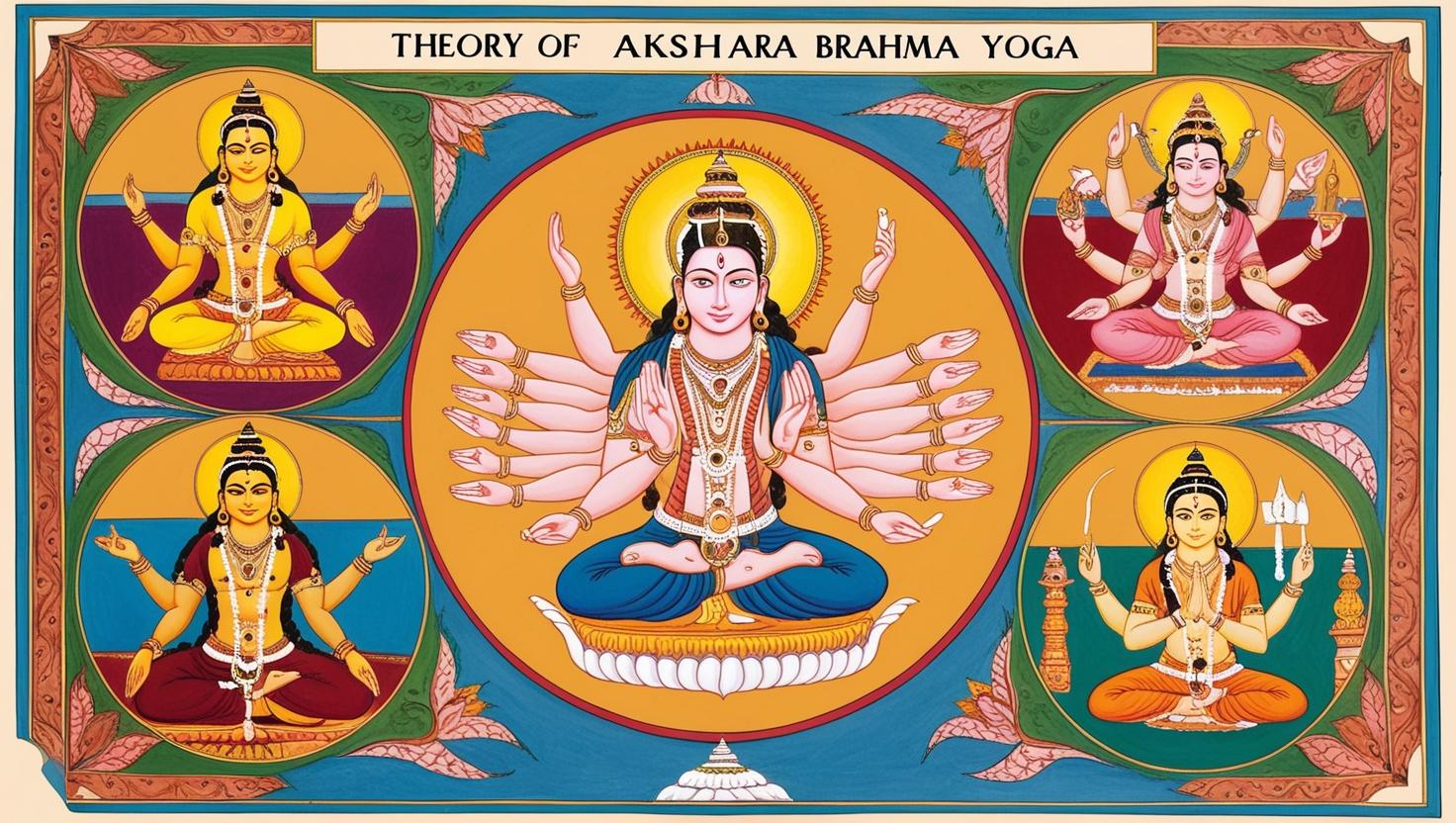
The Niralamba Upanishad primarily addresses fundamental questions about the nature of reality, self, and liberation. It explores the distinction between the eternal Brahman and the transient material world, the relationship between the individual soul (jiva) and the supreme soul (paramatma), and the effects of knowledge (jnana) versus ignorance (ajnana). The text examines the role of action (karma) in bondage and the significance of desireless action (akarma) for liberation. It also highlights the importance of the guru in guiding the disciple toward self-realization. Ultimately, it seeks answers to how one can transcend worldly attachments and attain moksha. For More Information Click Here

Key Questions and Answers from the Niralamba Upanishad
Q1: What is the ultimate reality according to the Niralamba Upanishad?
A: The ultimate reality is Brahman, pure consciousness, eternal, formless, and beyond all attributes.
Q2: What is the nature of the individual soul (Jiva)?
A: The Jiva is essentially Brahman but appears distinct due to ignorance and identification with body and mind.
Q3: What is Paramatma?
A: Paramatma is the supreme soul, identical with Brahman, transcending individual existence.
Q4: What is Prakriti?
A: Prakriti is the material nature or potency of Brahman that manifests the universe.
Q5: What is Karma?
A: Karma is action performed with attachment and desire, which binds the soul to the cycle of rebirth.
Q6: What is Akarma?
A: Akarma is action performed without attachment to results, leading to liberation.
Q7: What is Jnana?
A: Jnana is true knowledge, realizing the non-dual nature of Brahman.
Q8: What is Ajnana?
A: Ajnana is ignorance, perceiving multiplicity and individuality, causing bondage.
Q9: How does one attain liberation (Moksha)?
A: Liberation is attained through self-knowledge, realizing the oneness of Jiva and Brahman.
Q10: What is the role of a Guru?
A: The Guru guides the disciple, clarifies doubts, and imparts wisdom for self-realization.
Q11: What is the role of a Sishya (disciple)?
A: The Sishya learns from the Guru, practices discernment, and realizes the truth through self-inquiry.
Q12: What is bondage (Bandha)?
A: Bondage is the identification with body, mind, and ego, leading to entanglement in worldly life.
Q13: What is the relationship between Jiva and Paramatma?
A: The Jiva is a reflection of Paramatma; realizing their unity removes ignorance and brings liberation.
Q14: What is the significance of desireless action?
A: Action performed without desire (Akarma) purifies the mind and leads to freedom from karma’s results.
Q15: How are heaven (Svarga) and hell (Naraka) described?
A: Svarga and Naraka symbolize states of consciousness aligned with truth or ignorance, not permanent places.
Q16: How does ignorance (Ajnana) affect human life?
A: Ignorance causes attachment, fear, suffering, and the illusion of separateness from Brahman.
Q17: What is the essence of spiritual practice according to the Upanishad?
A: Spiritual practice involves self-inquiry, discrimination between real and unreal, and detachment from desires.
Q18: What is the ultimate goal of human life?
A: The ultimate goal is Moksha, liberation from the cycle of birth and death through self-realization.
Q19: Why are rituals criticized in the Upanishad?
A: Rituals performed with ego and desire create bondage; only knowledge leads to true liberation.
Q20: How is Brahman realized in daily life?
A: Brahman is realized through meditation, detachment, discernment, and guidance from a qualified Guru.
Shankaracharya’s Insights on the Niralamba Upanishad
- Brahman as Ultimate Reality: Shankara emphasizes that Brahman alone is real, eternal, and without attributes (Nirguna). All distinctions, including Jiva and the universe, are superimpositions due to ignorance (Avidya).
- Jiva and Paramatma: He explains that the apparent difference between the individual soul (Jiva) and the supreme soul (Paramatma) is illusory. Realization of their unity through knowledge (Jnana) is the essence of liberation.
- Karma and Akarma: Shankara clarifies that actions performed with attachment (Karma) bind the soul, whereas actions performed without desire (Akarma) purify the mind, making it fit for self-knowledge.
- Role of Ignorance (Ajnana): Ignorance creates the illusion of multiplicity. Shankara stresses that discrimination (Viveka) between the real (Brahman) and unreal (world) is essential to overcome Ajnana.
- Guru and Sishya Relationship: He underscores that the Guru imparts wisdom and removes doubts, guiding the disciple from darkness to knowledge. The disciple’s sincere effort is equally necessary for self-realization.
- Liberation (Moksha): Shankara insists that liberation is not attained through rituals, rites, or worldly deeds alone, but by direct realization of one’s identity with Brahman. Knowledge destroys the root of bondage—ignorance.
- Critique of Rituals and Desire: Shankara notes that rituals performed with ego or desire are ultimately temporary and insufficient. True spiritual practice is Jnana-based, focused on self-inquiry and detachment.
- Non-duality (Advaita): He reiterates the Upanishad’s central message: all multiplicity is illusory, and the non-dual Brahman is the only reality. Recognizing this dissolves attachment, fear, and suffering. For More Information Click Here
Significance of Niralamba Upanishad Questions in Human Life
The questions addressed in the Niralamba Upanishad are highly relevant to human life as they guide individuals toward understanding their true nature and the purpose of existence. They help distinguish between the transient material world and the eternal reality of Brahman, reducing attachment to fleeting pleasures. By exploring the roles of karma, desire, and ignorance, these questions teach how actions shape life experiences and how desireless action (Akarma) leads to inner peace. They emphasize the importance of self-knowledge (Jnana) and guidance from a Guru, showing that liberation (Moksha) is attainable through discernment and spiritual practice. Ultimately, these questions encourage humans to live consciously, act ethically, and pursue spiritual growth, transcending fear, suffering, and ego-driven behavior. For More Information Click Here

Conclusion
The Niralamba Upanishad, though concise, addresses profound questions about reality, self, and liberation. Its teachings guide humans to discern the eternal Brahman from the transient world, understand the consequences of action and ignorance, and realize the unity of the individual soul with the supreme soul. By emphasizing self-knowledge, desireless action, and guidance from a Guru, it provides a clear path to liberation (Moksha). These questions are not merely philosophical—they offer practical wisdom for ethical living, mental clarity, and spiritual growth, helping individuals overcome attachment, fear, and suffering to experience lasting peace and fulfillment.
Join Our Classes:
The Upanishads are more than just ancient texts—they are timeless guides to living with clarity, balance, and inner peace. Our classes make their profound wisdom easy to understand and apply in everyday life. Join us to explore these teachings and discover a new way of seeing yourself and the world!