
Introduction
This stage marks the transition from preparatory practices to Vedantic meditation, known as nididhyāsana. The primary aim is not to suppress emotions but to transform the mind, cultivating clarity, balance, and insight. A central practice is Vishwaroopa Upasana, which involves contemplation of Ishvara in both aspects—the changing, transient world of Māyā and the changeless, eternal reality of Brahman. Meditation in this context is a reflective dwelling on Vedantic truths rather than an escape into mystical emptiness. The focus is on realizing fundamental principles: Brahman (Satya) as the underlying existence, the world (Jagat) as illusory or appearance (Mithyā), and the ultimate truth of self-realization expressed in Aham Brahmāsmi. This practice gradually trains the aspirant to perceive the eternal substratum underlying the flux of worldly phenomena. Click Here To More Detail.

Benefits of Vedantic Meditation
Transforms Rāga-Dveṣa (Likes and Dislikes)
Rāga (attachment or liking) and dveṣa (aversion or dislike) are deep-rooted emotional tendencies that influence nearly every action and thought. Through meditation, the mind becomes an observer of these instincts rather than a slave to them. By consistently reflecting on the impermanent nature of objects and experiences, the aspirant gradually reduces impulsive reactions and emotional turbulence. This transformation does not mean suppressing emotions but cultivating a balanced mind that experiences life fully while remaining unattached. Over time, the practitioner develops equanimity, responding with wisdom rather than being driven by habit or desire.
Fosters Courage and Calmness through Bhakti
Bhakti, or devotion, plays a crucial role in stabilizing the mind during meditation. By perceiving all experiences—pleasant or unpleasant—as manifestations of Ishvara’s will or grace, the meditator learns to welcome life’s challenges without fear or resistance. This deep trust in the divine dissolves anxiety and emotional agitation, allowing one to face difficulties with courage and composure. In essence, devotion acts as a stabilizing anchor, supporting mental resilience and fostering a serene outlook even amidst change and uncertainty.
Shifts Perception from Change to Changelessness
The practice of Vedantic meditation trains the mind to see beyond the transient and perceive the eternal reality that underlies all phenomena. While the world constantly changes—people, events, and material objects are impermanent—the meditator gradually discerns the unchanging substratum, Brahman, as the ultimate reality. This shift in perception strengthens inner stability and clarity, allowing one to navigate life without being swept away by temporary successes or failures. The awareness of the changeless cultivates a deep sense of inner security, freedom, and profound peace. Click Here PDF.
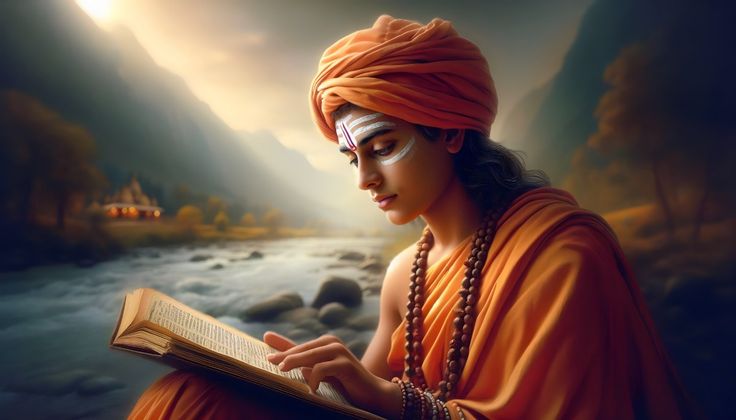
Summary of Key Vedantic Texts
1. Dakshinamurthy Stotram
- Guru as the ultimate teacher, embodying silent wisdom.
- Knowledge is imparted not through words but through direct perception.
- Encourages self-inquiry (ātma-vichāra) to remove ignorance (avidyā).
- Emphasizes the mind’s transformation to realize Brahman.
- Devotion and humility as prerequisites for spiritual insight. Summary of pdf.
2. Sri Rama Gita
- Dialogue of Lord Rama imparting Vedantic truths to Lakshmana.
- Advocates detachment (vairāgya) and selfless action (karma yoga).
- Emphasizes bhakti and surrender to Ishvara.
- Knowledge (jnana) and devotion (bhakti) together lead to liberation.
- Guides on righteous living while pursuing spiritual goals. Summary of pdf.
3. Advaita Makaranda
- Nectar of Advaita philosophy in simple verses.
- Explains the non-dual nature of reality: Brahman alone exists.
- World (jagat) is illusory (mithyā); liberation through self-knowledge.
- Emphasizes renunciation of attachments and discrimination (viveka).
- Knowledge (jnana) is the sole means to realize the Self. Summary of pdf.
4. Bhaja Govindam
- Encourages devotion to God over worldly pursuits.
- Warns against attachment to wealth, fame, and transient pleasures.
- Wisdom comes from humility, devotion, and ethical conduct.
- Knowledge is ineffective without righteous action and bhakti.
- Calls for present-moment spiritual practice before death. Summary of pdf.
5. Atma Bodha
- Self-knowledge as the path to liberation (moksha).
- Describes the true Self (ātman) as eternal, pure consciousness.
- Worldly phenomena are transitory; Self alone is real.
- Emphasizes discrimination (viveka) and renunciation (vairāgya).
- Practice: reflection, meditation, and detachment. Summary of pdf.
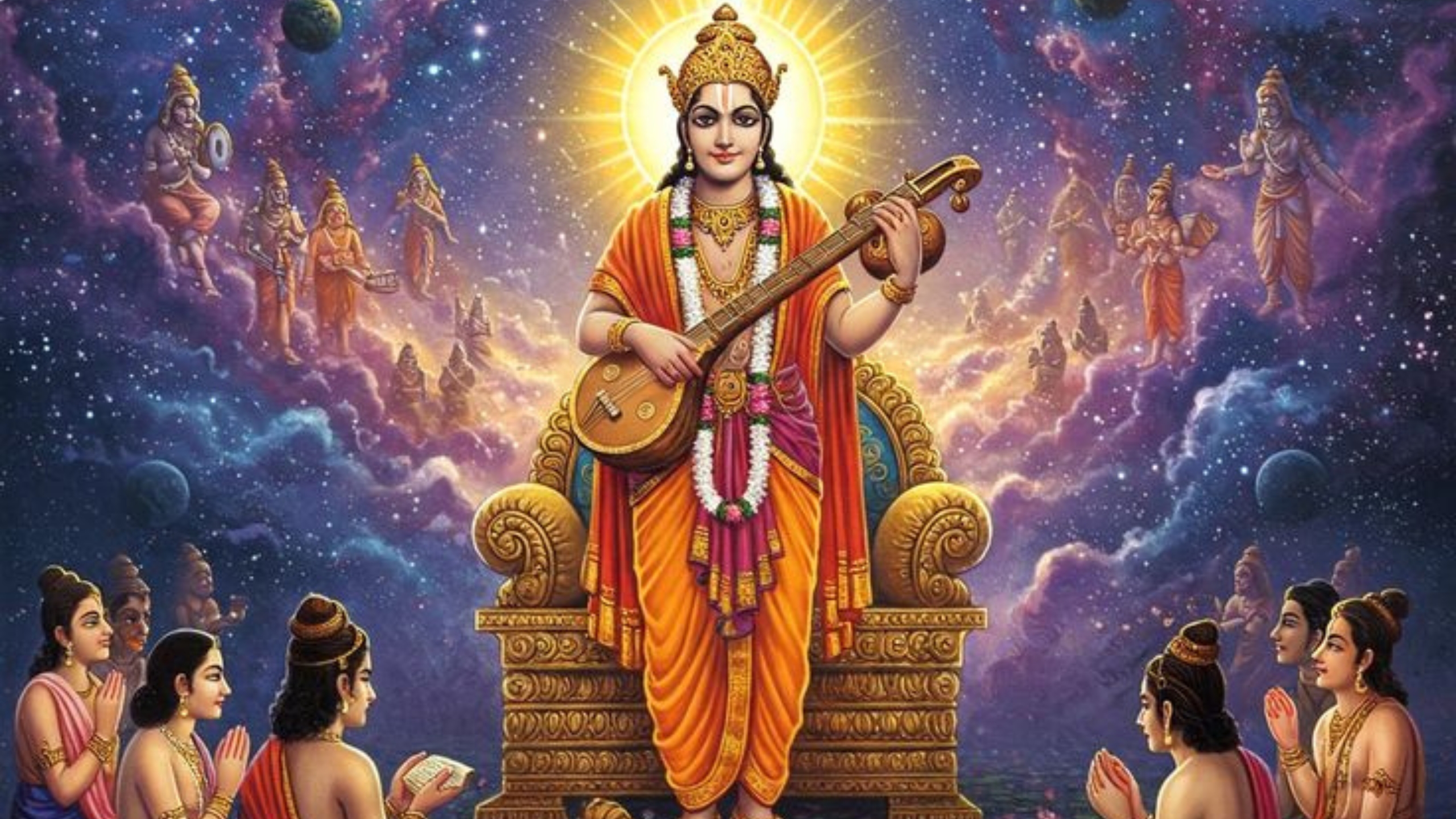
6. Upadesa Sara
- Essence of spiritual instruction in brief aphorisms.
- Advocates self-inquiry to recognize the Self as Brahman.
- Renunciation of ego, desire, and attachments is central.
- Liberation arises naturally once ignorance is dispelled.
- Stresses meditation, discrimination, and surrender to the Guru. Summary of pdf.
7. Naishkarmya Siddhi
- Detailed treatise on non-dual philosophy and liberation.
- Self-realization leads to actionlessness in the world.
- Actions performed without attachment (nishkama karma) do not bind.
- Distinguishes between the empirical and absolute reality.
- Knowledge (jnana) removes all doubts and confers peace. Summary of pdf.
8. Aparoksha Anubhuti
- Direct, immediate experience of Brahman as the ultimate reality.
- Meditation and discrimination lead to intuitive realization.
- Emphasizes overcoming duality and perceiving oneness.
- Inner experience more important than scriptural study alone.
- Liberation arises when Self is known as non-different from Brahman. Summary of pdf.
9. Drg Drsya Viveka
- Distinguishes between the seer (drg) and the seen (drsya).
- Encourages detachment from body, mind, and senses.
- Self is pure witness consciousness, untouched by phenomena.
- Meditation on this distinction leads to liberation.
- Emphasizes introspection and discernment (viveka). Summary of pdf.
10. Other Summaries: Sruti Sara, Pratah Smaranam, Tattva Bodha, Sad Darsanam, Ashtavakra Samhita, Vivekachudamani
- Sruti Sara: Essence of scriptural knowledge, importance of hearing and reflection. Summary of pdf.
- Pratah Smaranam: Morning reflection for spiritual alignment. Summary of pdf.
- Tattva Bodha: Introductory Vedanta, knowledge of Self vs. world. Summary of pdf.
- Sad Darsanam: Overview of six orthodox philosophical systems, focus on discrimination. Summary of pdf.
- Ashtavakra Samhita: Advaita teachings on non-dual consciousness, freedom through knowledge. Summary of pdf.
- Vivekachudamani: Crown jewel of discrimination; emphasizes self-inquiry, detachment, and meditation for liberation. Summary of pdf.

Why Study (Purpose)
- Internalize Vedānta → beyond repetition, into conviction & realization.
- Transform perception → from mutable world → to eternal Self.
- Bridge śravaṇam & mananam → into lived awareness. Click Here PDF.
How to Practice (Frequency)
- No fixed duration prescribed.
- Regular & consistent reflection (nididhyāsana) is key.
- Combine with śravaṇam (listening) & mananam (reflection).
- Consistency > length of session. Click Here PDF.
conclusion
In conclusion, Vedantic meditation (nididhyāsana) is not a withdrawal into silence or emptiness, but a disciplined reorientation of perception. By reflecting deeply on truths such as Brahman Satyam (Existence as the only reality), Jagat Mithyā (the world as appearance), and Aham Brahmāsmi (Self as Brahman), the aspirant learns to see through the fleeting nature of worldly experiences and rest in the changeless substratum of being. This practice transforms emotional patterns, instills courage through devotion, and nurtures unshakable equanimity. Ultimately, meditation leads to clarity, conviction, and the lived realization of one’s true nature—ever free, limitless, and complete.
Join Our Classes:
The Summary of all Texts are more than just ancient texts—they are timeless guides to living with clarity, balance, and inner peace. Our classes make their profound wisdom easy to understand and apply in everyday life. Join us to explore these teachings and discover a new way of seeing yourself and the world!