Taittiriya Upanishad – Bhāṣya Volume 05 – Introduction
Volume 05 of the Taittiriya Upanishad Bhāṣya is focused on how the culmination of Self‑knowledge expresses in lived conduct, and how a realized person continues to manifest clarity, compassion, inner strength, and equanimity in daily life. It explains how Self‑realization is not merely theoretical but transforms identity, relationships, action, and experience.
This section teaches that true freedom (moksha) is not withdrawal from the world, but unshakable inner peace even while fully engaging in life. Click Here To Access more other text.

Clear Question & Answer Format (10 Q&A)
What is the focus of Taittiriya Upanishad Bhāṣya Volume 05?
Answer:
Volume 05 focuses on how Self‑knowledge expresses itself in lived life, how a person with inner realization behaves, and how the teachings help stabilize daily experience.
👉 Life Connection:
Spiritual understanding should influence how you interact with people, work, and decisions — not stay only in meditation or theory. Click Here To Access.
What is the realized person like according to this section?
Answer:
A realized person holds inner peace, clarity, compassion, and equanimity; they remain undisturbed by praise or blame, gain or loss, and external circumstances.
👉 Life Connection:
Instead of reacting emotionally to every situation, a person becomes centered and responsive, not reactive.

How does this Bhāṣya describe the result of inner knowledge?
Answer:
Inner knowledge removes fear, ego, confusion, and identity based on roles; it reveals that the true Self is beyond all transient conditions.
👉 Life Connection:
Understanding your deeper awareness reduces anxiety, social comparison, and identity crisis. Click Here To Access.
What role does discrimination (viveka) play here?
Answer:
Discrimination enables a seeker to distinguish between the transient (body and mind) and the eternal (pure awareness). Constant reflection on this truth stabilizes inner experience.
👉 Life Connection:
Knowing what truly matters — awareness — helps you make better choices and focus on what gives lasting peace.
What is non‑attachment according to Volume 05?
Answer:
Non‑attachment is freedom from craving outcomes and identifying with results, while still performing responsibilities sincerely.
👉 Life Connection:
You can pursue goals with full effort, but your happiness is not dependent on achievement or approval. Click Here To Access.
What does Bhāṣya say about emotional balance?
Answer:
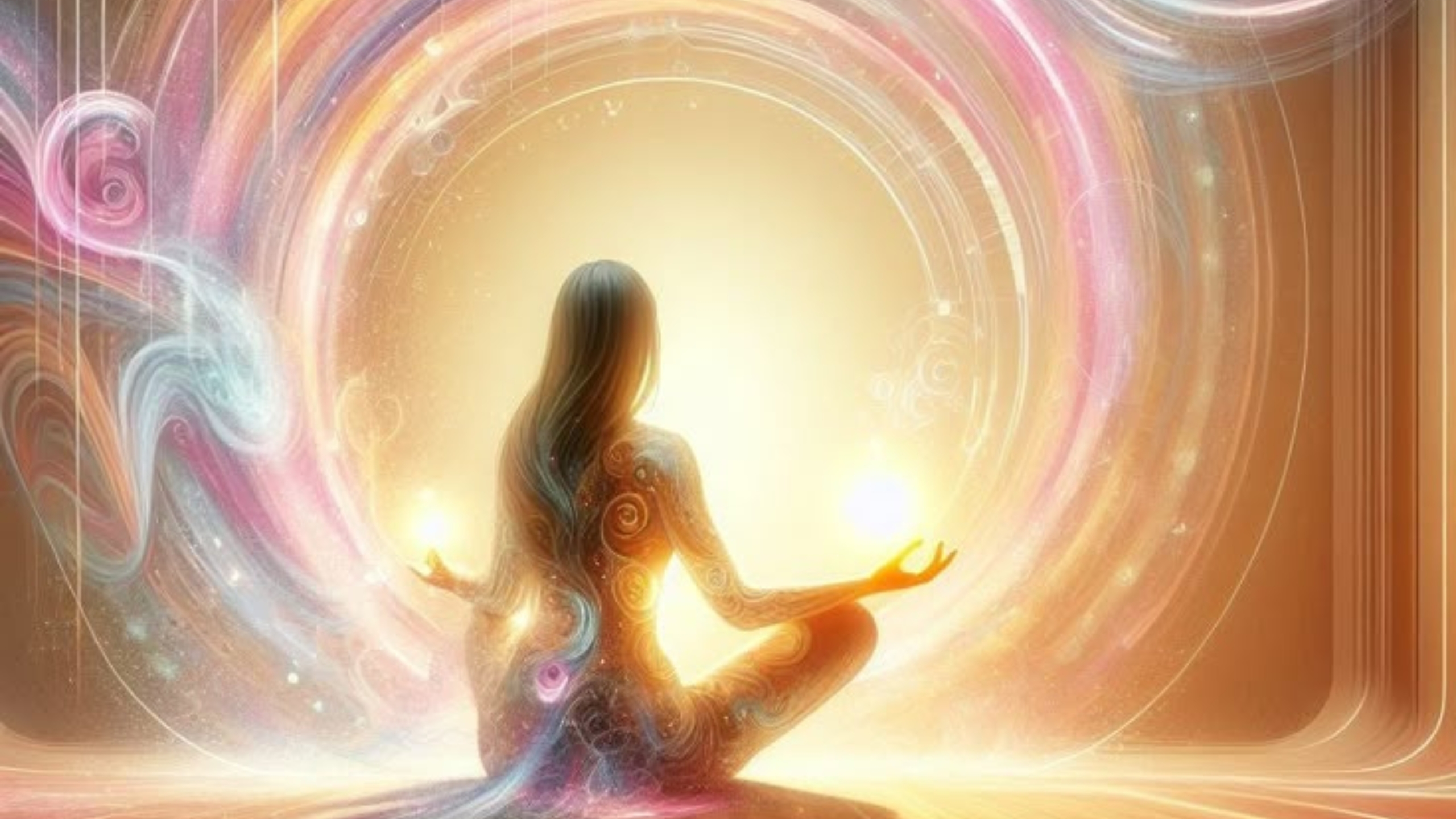
Emotional balance arises when the mind stops identifying with passing experiences and instead rests in the witness awareness.
👉 Life Connection:
This reduces anger, regret, jealousy, and fear — emotional instability common in stress‑filled modern life.
How does the realized one relate to others?
Answer:
A realized one treats everyone with respect, compassion, and patience, seeing the same underlying Self in all.
👉 Life Connection:
This improves relationships, reduces conflict, and builds deeper human connection.
What is the Bhāṣya’s view on success and failure?
Answer:
Success and failure are temporary phenomena. Real stability comes from knowing the Self that underlies both.
👉 Life Connection:
Instead of self‑worth fluctuating with outcomes, you develop inner confidence and steadiness. Click Here To Access.
What benefit does Self‑knowledge bring according to this section?
Answer:
It brings clarity, inner peace, moral strength, emotional composure, and unconditional compassion.
👉 Life Connection:
This transforms life from reactive and anxious to mature, calm, and purposeful.

Why is Volume 05 relevant today?
Answer:
Because it guides us on how to live in the world — handling stress, identity identity (“Who am I?”), relationships, and emotional imbalance with confidence and peace.
👉 Life Connection:
Instead of feeling overwhelmed by modern life, this wisdom builds resilience, emotional intelligence, and deep satisfaction. Click Here To Access.
Conclusion – Taittiriya Upanishad Bhāṣya Volume 05
Volume 05 of the Taittiriya Upanishad Bhāṣya shows that Self‑realization transforms life. It is not just philosophical theory — it becomes lived experience. A person who internalizes the teaching sees beyond temporary roles, reduces attachment, and responds to life with clarity, peace, compassion, and wisdom. In a world full of stress, identity confusion, comparison, and emotional instability, these teachings help build inner confidence, emotional balance, compassion in relationships, and lasting peace. Instead of being shaken by praise or blame, loss or gain, a realized person stands steady in unchanging awareness — and this transformation is the real goal of spiritual teaching.