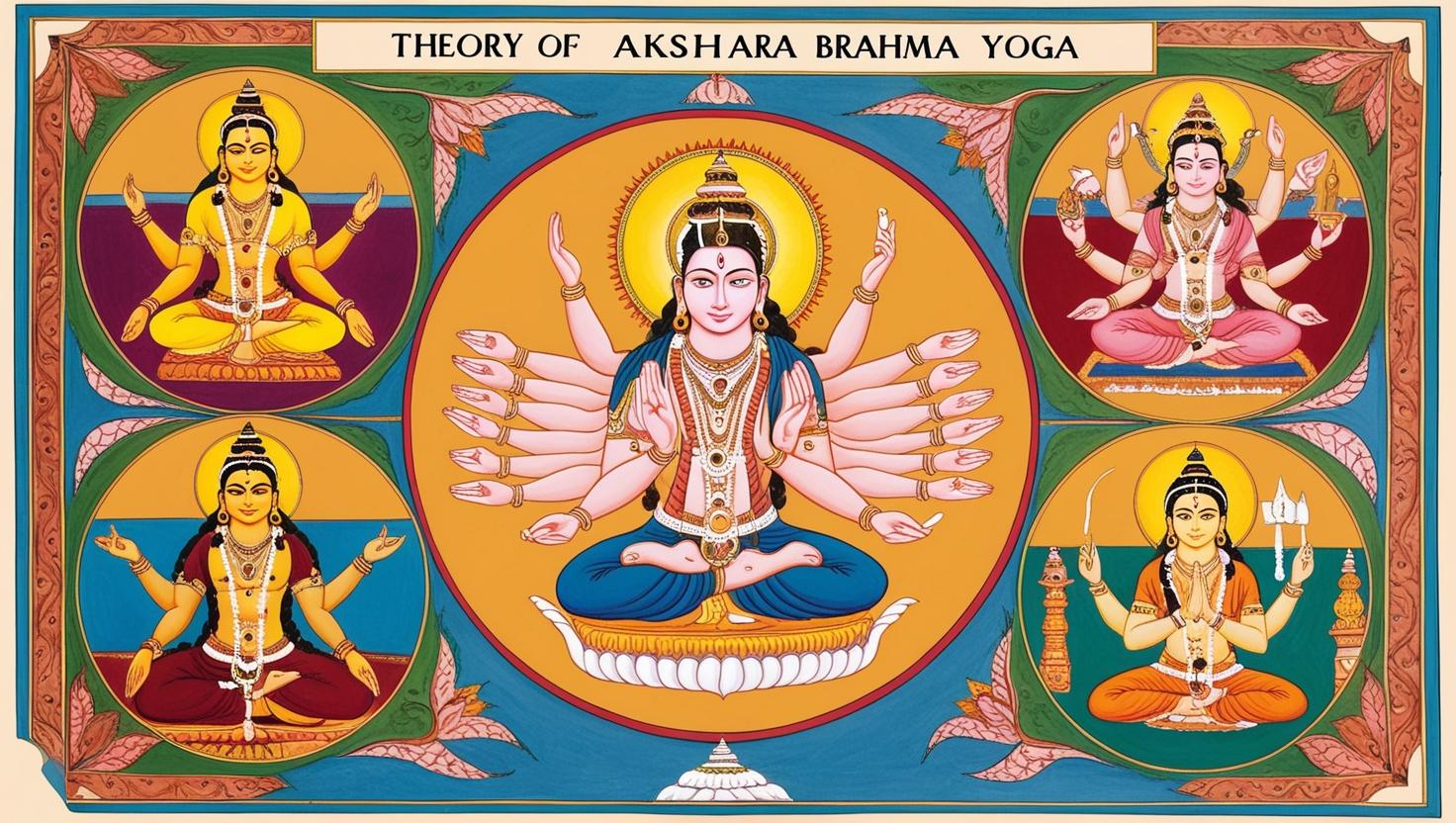
Brahma Sutra Bhaṣya – Volume 3
Author: Adi Sankaracarya
Text: Commentary (Bhaṣya) on the Brahma Sūtras of Badarayaṇa
Structure: Volume 3 traditionally covers the Sadhana Adhyaya (Chapter 3) and its four Padas (sections), detailing the spiritual practices necessary for the realization of Brahman. Click Here To Access more other text.
Chapter Overview: Sadhana Adhyaya – Means or Practice
- Theme: The practical aspects of realizing the non-dual Brahman, focusing on spiritual practices.
- Purpose: To establish the practices (Sadhana) required for Self-realization, emphasizing that knowledge (jnana) is the ultimate means, but it must be supported by ethical living, devotion, and meditation.
Explanation:
- This chapter explores what must be done to attain liberation (mokṣa). It does not just describe abstract philosophical ideas but provides the practical framework for a seeker to progress spiritually.
- There is a strong emphasis on Upasana (meditative worship), ethics, the qualification of the seeker, and the role of action (karma) in spiritual development Click view To PDF.
Pada 1: Meditation (Upasana) on Brahman
Key Topics:
Definition of Upasana:
- The central practice to realize Brahman is Upāsana, meditation or worshiping the formless, non-dual Brahman.
- Unlike the external rituals (karma), Upāsana focuses on mental discipline and direct meditative realization.
The Role of Mantras:
- Mantras, such as “Om,” are considered a means to direct the mind towards Brahman.
- Meditation on the sound, meaning, and essence of the mantra helps the seeker to merge with Brahman, purifying the mind and leading to self-realization.
The Forms of Brahman in Meditation:
- Sankara elaborates on different ways of meditating on Brahman, such as meditating on Brahman as formless or as the universe itself.
- A key distinction is made between nirguna (formless) and saguna (with form) aspects of Brahman. Both lead to liberation but are practiced differently based on the seeker’s readiness :Vedanta Students.
Upasana as the means to Purify the Mind:
- It is crucial that the seeker purifies the mind (chitta-suddhi) through Upāsana, removing the impurities of ego, attachment, and desires, which obstruct self-realization.
- Sankara affirms that meditation makes one’s mind sattvic (pure), aligning it with the nature of Brahman.
Main Thesis:
Upāsana is a tool to purify the seeker’s mind and gradually lead to the direct experience of Brahman. It is essential for those not yet ready to realize the formless nature of Brahman immediately Click view To PDF.

Pada 2: Variations in Upasana
Key Topics:
Different Paths of Worship:
- Śaṅkara discusses various types of meditation based on different scriptures and schools, emphasizing that all paths lead to the same non-dual Brahman.
- The practitioner’s temperament and mental disposition determine the method of worship—whether meditating on a personal deity or on the abstract formlessness of Brahman.
Saguna vs. Nirguna Upāsana:
- In this section, Sankara explains the difference between worshiping Brahman with attributes (saguna) and without attributes (nirguna).
- For those who cannot immediately meditate on the formless Brahman, worshiping a personal deity (saguna) like Vishnu or Shiva serves as a stepping stone.
Impact of Rituals:
Though rituals (karma) are not the ultimate goal, Śaṅkara acknowledges their role in preparing the seeker for deeper meditation and, thus, eventual liberation.
The Role of Devotion (Bhakti):
-
-
Bhakti is discussed as an essential aspect of Upasana. Devotion to the formless Brahman or a personal deity helps purify the mind and orient the seeker towards the ultimate goal.
-
Main Thesis:
Different types of Upāsana exist, and a seeker can adopt whichever method aligns best with their mental disposition, whether it be meditating on the formless Brahman or engaging in devotional practices Click view To PDF.

Pada 3: Qualifications of a Seeker
Key Topics:
Ethical and Spiritual Qualities (Sadhana-Chatustaya):
-
-
Sankara outlines the fourfold qualifications (Sādhanā-Chatustaya) necessary for a seeker to succeed in their spiritual practice:
-
- Viveka (discrimination between the eternal and the transient)
- Vairāgya (detachment from worldly pleasures)
- Śamā (calmness of mind)
- Dama (self-control)
-
-
These qualities prepare the seeker to practice meditation effectively and discern the truth of Brahman.
-
Role of Scriptures (Sruti):
-
-
The seeker must be well-versed in the Upaniṣads and other Vedantic scriptures, as they are the source of true knowledge and direct revelation of Brahman.
-
Guru-Disciple Relationship:
-
-
Sankara stresses the importance of Satsang (company of the wise) and guidance from a realized Guru. The Guru’s teachings are essential for understanding the non-dual truth that lies beyond the intellect.
-
Main Thesis:
A seeker must possess a clear discrimination (viveka), detachment (vairāgya), and self-discipline (śamā and dama). Only with these spiritual qualities can the seeker succeed in their spiritual practices and attain the goal of Self-realization Click view To PDF.
Pada 4: Relationship between Karma (Action) and Jnana (Knowledge)
Key Topics:
Karma’s Role in Spiritual Practice:
- Sankara explains that Karma (action) is necessary to purify the mind, but it cannot lead to liberation on its own. It is the knowledge (jñāna) of Brahman that grants liberation, not merely the performance of rituals or ethical deeds.
- Actions must be performed selflessly (without attachment to the results), which is the essence of Karma Yoga.
How Jnana (Knowledge) and Karma Work Together:
- Knowledge of Brahman destroys ignorance (avidyā), and once ignorance is removed, the bondage created by actions ceases.
- However, selfless action prepares the seeker for knowledge and creates a fertile ground for spiritual growth.
Karma and Rebirth:
-
-
Sankara also addresses how karma affects the cycle of birth and rebirth. While karma creates new lives and bodies, jnana frees the seeker from this cycle by revealing their identity with Brahman, which transcends birth and death.
-
Main Thesis:
Karma is not discarded in Vedanta but is seen as preparatory. Knowledge of Brahman, however, is the ultimate means of liberation, and selfless action (Karma Yoga) helps the seeker achieve that state of readiness Click view To PDF.
Key Takeaways:
- Meditation (Upāsana) is essential for purifying the mind and directly realizing Brahman.
- Different methods of Upāsana exist based on the seeker’s mental disposition—whether it is through meditative worship of a deity or contemplation of the formless Brahman.
- Ethical qualities and spiritual practices (like self-control and devotion) are necessary to prepare for the realization of Brahman.
- Selfless action (Karma) cannot lead to liberation alone but is necessary for purifying the mind in preparation for knowledge (Jñāna).
- Knowledge of Brahman is the ultimate tool for liberation, freeing the seeker from the bondage of karma and the cycle of rebirth.
How to Study Volume 3
Preparatory Study:
- Begin with Tattva Bodha and Atma Bodha for foundational understanding of Vedantic concepts.
- Study Volume 1 and Volume 2 to get a comprehensive understanding of Brahman and the opposition it faces from other philosophies.
Study Method:
- Read Sanskrit + Translation side by side to grasp the nuances of Śaṅkara’s commentary.
- Track the Logic Used: Pay attention to whether Śaṅkara is relying on śruti, reason, or experience to defend his points.
- Practical Application: Reflect on how the practices and qualities discussed in the commentary can be applied to your own life for spiritual progress.
Final Thoughts:
Volume 3 of the Brahma Sutra Bhaṣya is crucial in helping seekers understand the practical steps towards liberation. By synthesizing meditation, selfless action, and knowledge, Śaṅkara shows the way to experience the non-dual Brahman, bringing theory into transformative practice Click view To PDF.

Conclusion:
Sankara presents Sadhana Adhyāya as the bridge between philosophical understanding (Brahman) and the lived experience of the seeker. The chapter illustrates that while theoretical knowledge of Brahman is crucial, the seeker must purify the mind, cultivate virtues, and engage in meditation and selfless action to realize the non-dual truth.