Infinite Brahman and the Essence of Hamsa
The Hamsa Upanishad emphasizes the infinitude of Brahman, teaching that the universe itself is a manifestation of the infinite. Through meditation and yogic practices, the seeker realizes the unity of the individual self (Hamsa) with the Supreme Self (Paramahamsa). It describes the stages of spiritual practice, the significance of Ajapa Gayatri, and the control of Prana to achieve higher states of consciousness. The text reveals the transcendence of the self beyond the waking, dreaming, and deep sleep states, leading to Turiya and beyond. It highlights the mystical sound (Nada) as a path to Brahman realization. The Upanishad guides aspirants toward liberation and bliss through disciplined meditation and knowledge. For More Information Click Here
Chapters and Spiritual Structure of the Hamsa Upanishad
The Hamsa Upanishad consists of 11 chapters and a total of 34 verses. Each chapter systematically guides the seeker through spiritual knowledge and practices:
- Introduction and Dialogue – Gautama asks Sanatkumara about Brahma-Vidya, and the path of Hamsa is introduced.
- Nature of Hamsa and Paramahamsa – Explains the omnipresence of the Hamsa (Supreme Self) and its subtle essence in all beings.
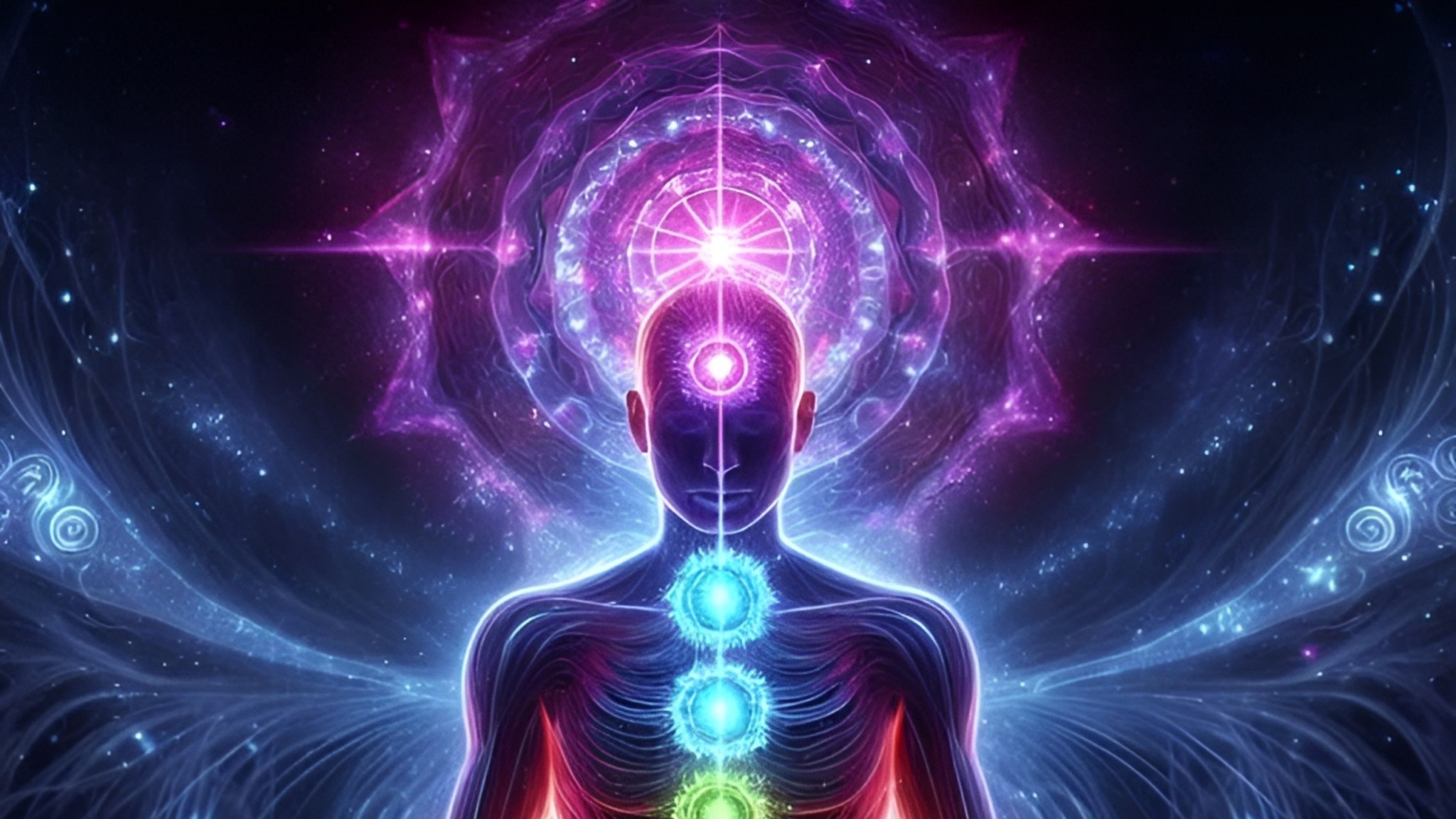
- Meditative Practices – Details control of breath (Prana) and the ascent of vital airs through chakras, leading to higher consciousness.
- Lotus Symbolism – Describes the lotus with petals representing virtues, vices, and states of consciousness.
- States of Consciousness – Explains waking, dreaming, deep sleep, and Turiya, and their connection to Hamsa.
- Nada Yoga – The divine sounds (Nada) and their spiritual significance are elaborated for meditation.
- Ajapa Gayatri Mantra – Introduces mantra practices, symbols, and the meditation of Om for realization of the Self.
- Realization of Paramahamsa – Techniques to merge individual consciousness with universal consciousness are described.
- Stages of Spiritual Experience – Details physical and subtle experiences on the yogic path toward liberation.
- Attaining Brahman – The aspirant transcends all dualities, sins, and virtues to realize the supreme Self.
- Conclusion and Peace – Ends with universal peace, oneness with Brahman, and final guidance for liberation. For More Information Click Here
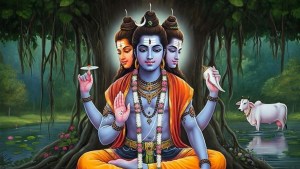
Essential Verses and Their Significance in the Hamsa Upanishad
- “Om! That (Brahman) is infinite, and this (universe) is infinite. The infinite proceeds from the infinite.”
Meaning: Brahman is limitless, and the universe emerges from this limitless source, showing the unity of all existence. - “Hamsa is permeating all bodies like fire in wood…Having known it thus, one does not meet with death.”
Meaning: Recognizing the presence of the supreme Self (Hamsa) in all beings leads to liberation from the cycle of birth and death. - “When Hamsa is absorbed in Nada, the state beyond the fourth is reached…It is that which is spoken of as Brahma and Paramatman.”
Meaning: Meditation on the subtle inner sound (Nada) helps the yogi transcend worldly consciousness and realize the supreme Self. - “Kanthata (realization of oneness of Jivatma with Paramatman) is done in two ways: Samprajnata and Asamprajnata.”
Meaning: Self-realization can occur with conscious awareness (Samprajnata) or beyond conscious thought (Asamprajnata), both leading to union with Brahman. - “After the destruction of Manas, when virtues and sins are burnt away, then he shines as Sadashiva of the nature of Shakti.”
Meaning: Complete liberation is achieved when the mind and ego dissolve, revealing the eternal, omnipresent consciousness. For More Information Click Here
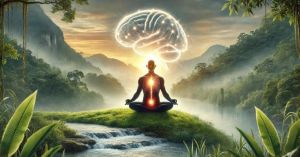
Spiritual Practices and Realization of Hamsa
The Upanishad teaches that Hamsa, the individual self, pervades all beings like breath in the body and can transcend mortality through knowledge and meditation. By controlling Prana, performing Ajapa Gayatri, and contemplating the Atman, the aspirant attains union with Paramahamsa. The text describes the symbolic lotus, states of consciousness (waking, dreaming, deep sleep, Turiya), and the power of Nada to transcend the mind. It emphasizes self-control, meditation, and detachment as prerequisites for realizing the infinite Self. Ultimately, liberation comes from understanding one’s identity with the Supreme Brahman.

Conclusion
The Hamsa Upanishad teaches that realization of the self as Hamsa leads to liberation from all worldly bonds. Through disciplined meditation, control of Prana, and Ajapa Gayatri, the aspirant transcends the body, mind, and worldly desires. The union of individual self with Paramahamsa reveals the infinite nature of Brahman. Mastery over senses and understanding the states of consciousness are crucial for enlightenment. By dissolving ego, duality, and attachments, one attains immortality and bliss. The Upanishad concludes with a call for peace within, in the environment, and in all forces of existence.
Join Our Classes:
The Upanishads are more than just ancient texts—they are timeless guides to living with clarity, balance, and inner peace. Our classes make their profound wisdom easy to understand and apply in everyday life. Join us to explore these teachings and discover a new way of seeing yourself and the world!