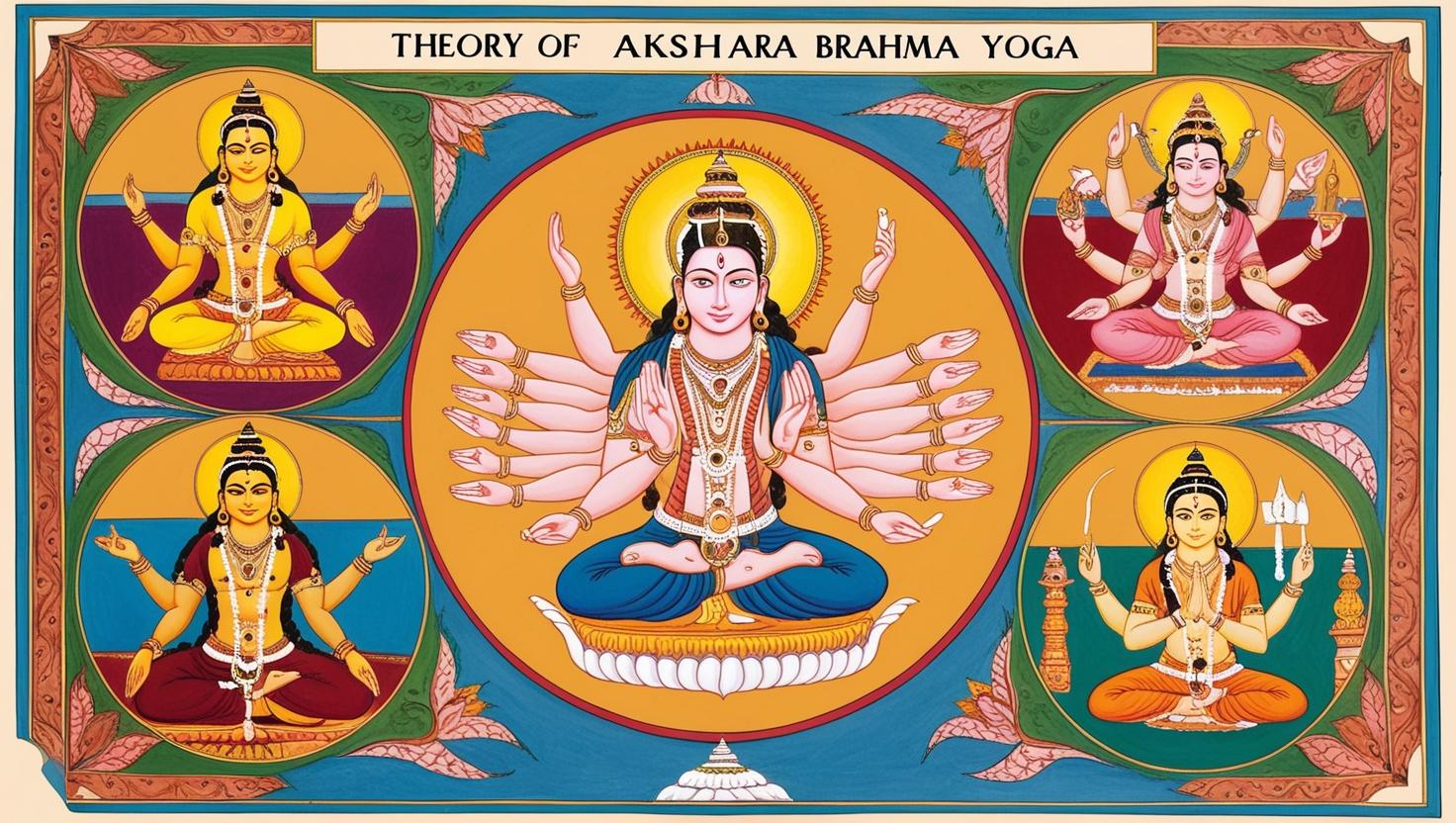
The Nature of the Self and the Path to Liberation
Chapter 1 of the Maitreya Upanishad opens with the sage Maitreya’s inquiry into the nature of liberation and the Self. The teaching begins by asserting that the body, composed of flesh and bones, is transient, impure, and a source of suffering. True wisdom lies in recognising that the Self is distinct from this perishable body and remains untouched by its decay or actions. The chapter emphasizes renunciation of worldly attachments and purification of the mind as the foundation for spiritual awakening. It warns that rituals, pilgrimages, and external acts are futile without inner knowledge and detachment. Ultimately, Chapter 1 guides the seeker to turn inward, to realize the pure, changeless Self that alone grants liberation. For More Information Click Here

Distinguishing the Self from the Body: Knowledge, Renunciation, and the Path to Liberation
Verse 1: Maitreya asks about the supreme goal, seeking knowledge of liberation, and inquires how one attains ultimate freedom and bliss.
Verse 2: The teacher explains that worldly desires bind the soul; only detachment and renunciation lead to true knowledge of Self.
Verse 3: The body, made of elements, is impermanent; it is transient, subject to decay, and cannot confer lasting happiness.
Verse 4: Sense-objects and pleasures are deceptive; attachment to them leads to suffering and perpetuates the cycle of birth and death.
Verse 5: Meditation and self-control purify the mind; a disciplined mind sees the distinction between the body and the eternal Self.
Verse 6: The Self is beyond the senses, beyond speech, beyond mind, and untouched by physical or mental limitations of beings.
Verse 7: Rituals, sacrifices, and pilgrimages are insufficient alone; they do not grant liberation without inward knowledge and detachment from desire.
Verse 8: Knowledge of the Self arises through inquiry, reflection, and meditation; wisdom eliminates ignorance and dissolves attachment to the ephemeral world.
Verse 9: One who knows the Self perceives all beings as the same essence; dualities of friend and foe disappear.
Verse 10: Self-realization transcends life and death; the enlightened person remains unshaken amidst pleasure, pain, and worldly experiences.
Verse 11: Renunciation of the fruits of actions and detachment from personal desires are essential for attaining immortality and bliss.
Verse 12: The wise do not identify with body, mind, or senses; they abide in the changeless Self within themselves.
Verse 13: Through discrimination (viveka) between the transient and the eternal, one cultivates detachment, wisdom, and peace of mind.
Verse 14: The mind, purified by meditation, becomes free of distractions, enabling clear perception of the Self beyond all dualities.
Verse 15: The Self is described as eternal, infinite, pure, beyond suffering, untouched by birth, decay, or death, and beyond all change.
Verse 16: One who contemplates the Self with devotion and concentration realizes unity with the supreme reality, attaining liberation here and beyond.
Verse 17: Ignorance binds beings to repeated birth; knowledge of the Self destroys ignorance and reveals the imperishable nature of Brahman.
Verse 18: The chapter concludes that the ultimate goal is Self-realization; turning inward, abandoning attachments, one attains immortality and supreme bliss.

Self-Knowledge and Detachment as the Path to Liberation
Chapter 1 teaches that the body and sense-objects are transient, impure, and cannot grant lasting happiness. True knowledge arises from realizing the Self, which is eternal, pure, and beyond all physical and mental limitations. Detachment from desires, renunciation of worldly attachments, and purification of the mind are essential steps on this path. Rituals and external observances alone cannot lead to liberation; inner inquiry and meditation are crucial. The wise perceive the unity of all beings and remain undisturbed by dualities of pleasure and pain. Ultimately, turning inward and recognizing one’s own Self leads to immortality, supreme bliss, and liberation. For More Information Click Here
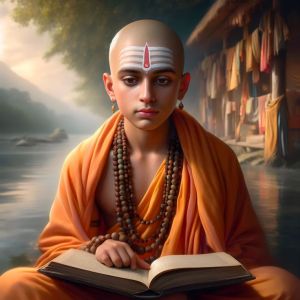
Shankaracharya’s Commentary: Discerning the Real Self from the Unreal
According to Shankaracharya’s commentary, Chapter 1 emphasizes discrimination between the real and the unreal. The body, senses, and worldly pleasures are transient and impure, and identification with them leads to bondage. The Self (Atman), being unchanging, eternal, and pure, is distinct from the body and mind. Shankara highlights that rituals and external acts alone cannot purify or liberate, as liberation arises from self-knowledge (atma-jnana). The mind must be purified and focused through meditation and introspection, leading to the destruction of ignorance (avidya). The ultimate teaching is non-duality (Advaita): the Self alone is real, and realizing this truth grants immortality, freedom from suffering, and supreme bliss. For More Information Click Here

Conclusion – Chapter 1, Maitreya Upanishad
Chapter 1 establishes the foundation of Vedantic wisdom by distinguishing the eternal Self from the transient body and worldly phenomena. It emphasizes that renunciation, detachment, and purification of the mind are essential for realizing the Self. External rituals and sense pleasures are insufficient; true liberation arises from inner inquiry, meditation, and self-knowledge. By recognizing the unity and immortality of the Self, the seeker transcends dualities, ignorance, and suffering. This chapter guides aspirants to turn inward, cultivate wisdom, and attain supreme bliss, laying the groundwork for the subsequent teachings of the Upanishad.
Join Our Classes:
The Upanishads are more than just ancient texts—they are timeless guides to living with clarity, balance, and inner peace. Our classes make their profound wisdom easy to understand and apply in everyday life. Join us to explore these teachings and discover a new way of seeing yourself and the world!