Prasno Upanishad – Chapter 5 Overview
Chapter 5 begins with the seeker asking Sage Pippalada about the nature of life after death and how the body and soul are connected. The sage explains the subtle relationship between the individual self (jiva), Prana, and the senses. He describes how the vital airs guide the soul’s journey and how meditation, control of Prana, and proper knowledge prepare the individual for liberation. Stories and analogies illustrate the dependence of the body and mind on Prana, emphasizing the spiritual importance of understanding life-force. The chapter highlights that Prana is the bridge between the visible body and the subtle self, preparing the seeker for higher knowledge. For More Information Click Here

Theme of Chapter 5
The central theme is the connection between the soul, body, and Prana, showing that Prana not only sustains life but also guides the individual toward spiritual liberation.
What Chapter 5 Teaches Us
This chapter teaches that understanding and meditating on Prana helps the seeker navigate the journey of life and prepares the mind for liberation after death. Life, body, and mind are interdependent, and Prana is the vital link sustaining them. Recognizing this inner support cultivates discipline, control, and spiritual awareness, guiding the seeker toward realization of the Self.
Essence of Chapter 5
Prana is the subtle link between body and soul, sustaining life and guiding the seeker toward liberation.

Verse-wise Summary of Chapter 5 (8 Verses)
Verse 1 – The seeker asks Sage Pippalada about the connection between the soul, body, and the role of life after death.
Verse 2 – The sage explains that Prana sustains the body and faculties, linking the self with physical existence.
Verse 3 – The vital airs guide the body’s functions, while the mind and senses follow their lead.
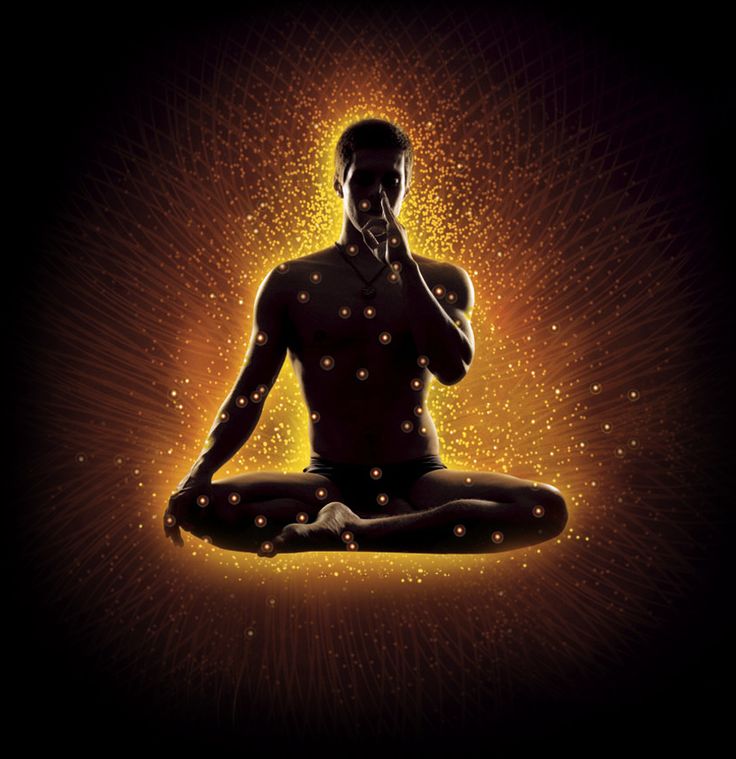
Verse 4 – Meditation and control of Prana regulate bodily and mental processes, supporting life and awareness.
Verse 5 – Proper understanding of Prana prepares the individual for the journey of the soul after death.
Verse 6 – Withdrawal of Prana at death leads to cessation of bodily faculties, showing their dependence on the life-force.
Verse 7 – Chapter 5 concludes that Prana is the essential link between body and soul, sustaining life and guiding spiritual progress. For More Information Click Here

Shankaracharya’s Insights
Shankaracharya interprets Chapter 5 as showing that Prana sustains not only physical and mental functions but also serves as the subtle support for the soul. He emphasizes that Prana is a conditioned manifestation of Brahman, pointing the seeker toward the ultimate reality. Meditation on Prana purifies the mind and prepares the seeker to recognize the eternal Self beyond body and senses. The chapter illustrates how life-force connects the visible and subtle realms, guiding one from bodily awareness to Self-realization. For More Information Click Here

Conclusion
Chapter 5 highlights the subtle connection between the soul, body, and Prana. It teaches that Prana sustains life and guides the seeker toward liberation. Shankaracharya clarifies that this vital force is a pointer to Brahman, helping seekers move from bodily and mental awareness to realization of the eternal Self. Understanding and meditating on Prana purifies the mind, strengthens the faculties, and prepares one for higher spiritual knowledge. This chapter forms a crucial step in guiding the seeker from physical life to awareness of the subtle self.
Join Our Classes:
The Upanishads are more than just ancient texts—they are timeless guides to living with clarity, balance, and inner peace. Our classes make their profound wisdom easy to understand and apply in everyday life. Join us to explore these teachings and discover a new way of seeing yourself and the world!