The Seeker’s Final Question: Who Experiences Life?
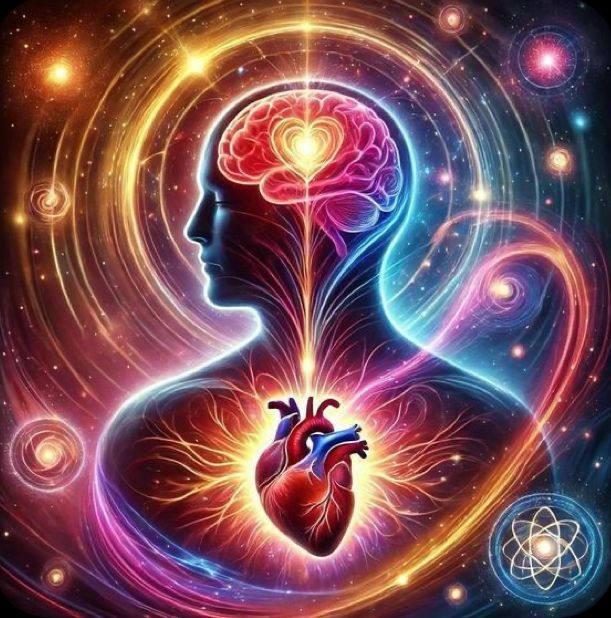
Six earnest seekers come to Sage Pippalada with a deep philosophical question about human experience—who truly experiences waking, dreaming, and sleep? They seek to understand the underlying Self behind all mental and physical states. Pippalada begins his response by declaring that the imperishable Brahman is the ultimate source and support. All states of experience rest upon this eternal reality, much like spokes on a wheel rest on the central hub. This Brahman remains constant while experiences come and go. The Self is therefore not limited by actions, thoughts, or sleep—it is the unchanging witness. For More Information Click Here

Prashna Upanishad – Chapter 6
Verse 1
Sukesha, Satyakama, Gargya, Kausalya, Bhargava, and Kabandhi—these six seekers approached the sage Pippalada and asked:
“O Revered One, who is that being who sleeps in man, who dreams, who wakes up? Who experiences happiness? On whom are all these states dependent?”
Explanation:
The six students now ask a profound question about consciousness and the Self. They inquire about the three states of experience—waking, dream, and deep sleep—and the one who undergoes these states. The question reflects a search for the underlying reality behind all human experiences: Who is the true experiencer?
Verse 2
The sage replied: “O seekers, the ultimate truth is the imperishable Brahman. It is the substratum and support of all states. On That, everything rests like the spokes of a wheel on its hub.”
Explanation:
Pippalada answers that the unmoving, imperishable Brahman (Akṣara) is the basis of all experience. Just as the hub supports all the spokes of a wheel, Brahman supports the waking, dream, and deep sleep states. It is unaffected and ever-present, the eternal witness to all changes in body and mind. For More Information Click Here

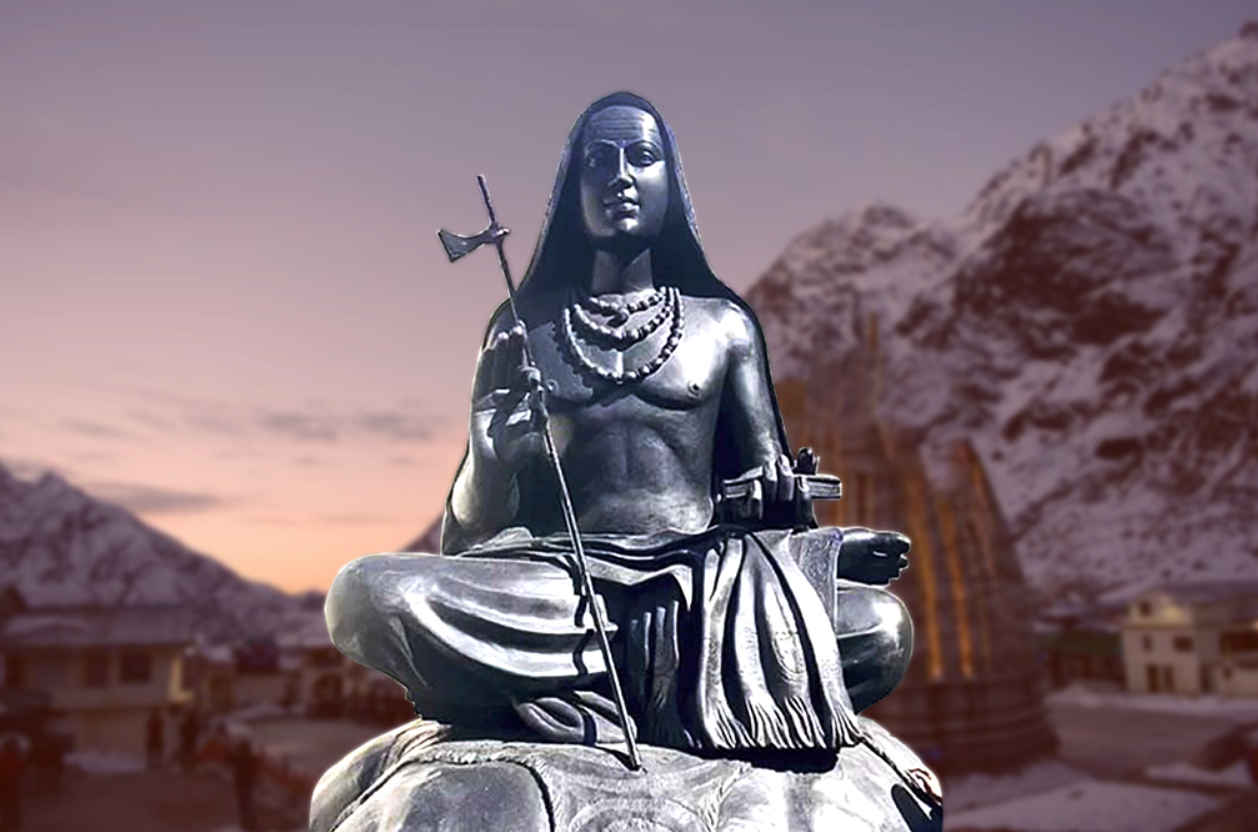
Shankaracharya’s Vision: The Eternal Self Behind All States
Shankaracharya interprets the students’ question as a deep inquiry into the nature of the Self (Ātman)—the experiencer behind waking, dreaming, and deep sleep. They seek to know not just what happens in these states, but who remains constant through them all.
In his explanation, Shankara emphasizes that the Ākṣara (imperishable Brahman) is the unchanging substratum behind all experiences. Waking, dream, and sleep are fleeting and depend on body, mind, and senses, but the Self is eternal, formless, and independent. Like the hub of a wheel, the Self holds all states together without being affected by them.
By introducing Brahman as the support of all, Shankaracharya is pointing the seeker beyond the transitory phenomena to the eternal reality that is never seen or changing, yet is the true ‘I’ in every being. This teaching guides the seeker to discriminate between the impermanent and the eternal, leading ultimately to Self-realization. For More Information Click Here
Conclusion
These verses highlight the fundamental quest for Self-knowledge, a key theme in Vedanta. The shifting states of consciousness—waking, dream, and sleep—cannot define the Self. Shankaracharya and other commentators affirm that Brahman, the changeless reality, supports all these without being affected. Recognizing this truth is the beginning of liberation. The metaphor of the wheel subtly teaches unity behind diversity—though experiences vary, the Self is one. Thus, the seeker is guided to turn inward and realize the substratum of all experience—the imperishable Brahman.
Join Our Classes:
The Upanishads are more than just ancient texts—they are timeless guides to living with clarity, balance, and inner peace. Our classes make their profound wisdom easy to understand and apply in everyday life. Join us to explore these teachings and discover a new way of seeing yourself and the world!