Taittiriya Upanishad – Introduction (with Bhāshyam Context)
The Taittiriya Upanishad, belonging to the Krishna Yajur Veda, is a major Upanishad that deeply analyzes the nature of the Self (Ātman), the structure of human personality, and the realization of ultimate reality (Brahman). In traditional commentaries (Bhāshyam), especially those attributed to Adi Shankaracharya, the text is explained as a systematic guide to Self-realization through inquiry, discipline, and meditation. One of its most famous teachings is the doctrine of the Five Sheaths (Pancha Kosha) — showing that the true Self is beyond the body, mind, and intellect. It also declares the powerful statement: “Satyam Jnanam Anantam Brahma” (Brahman is Truth, Knowledge, Infinity). The Upanishad guides seekers from outer personality to inner awareness, ultimately revealing that bliss (Ananda) is the very nature of the Self. Click Here To Access more other text.
Clear Question & Answer Format (10 Q&A)
What is the Taittiriya Upanishad?
Answer:
The Taittiriya Upanishad is a major Upanishad of the Krishna Yajur Veda that explains the nature of Brahman, the Self, and the layers of human existence.
👉 Life Connection:
It helps us understand that we are more than just our physical body or mental stress. Click Here To Access.
What is the main theme of this Upanishad?
Answer:
Its central theme is Self-realization — discovering that the true Self is identical with Brahman, the infinite reality.
👉 Life Connection:
Instead of seeking validation from society, it teaches inner completeness and confidence.
What are the Five Sheaths (Pancha Koshas)?
Answer:
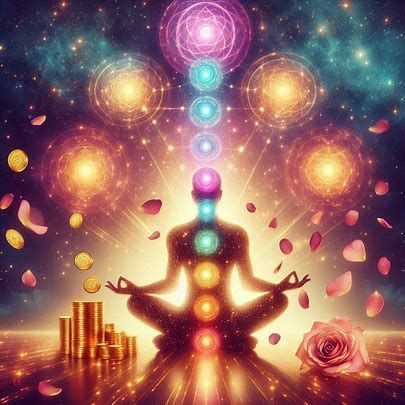
The Upanishad explains five layers covering the true Self:
-
Annamaya Kosha – Physical body
-
Pranamaya Kosha – Vital energy
-
Manomaya Kosha – Mind
-
Vijnanamaya Kosha – Intellect
-
Anandamaya Kosha – Bliss sheath
Beyond all these is the real Self. Click Here To Access.
👉 Life Connection:
We usually identify with body, emotions, or thoughts. This teaching helps us detach from temporary states and discover inner stability.
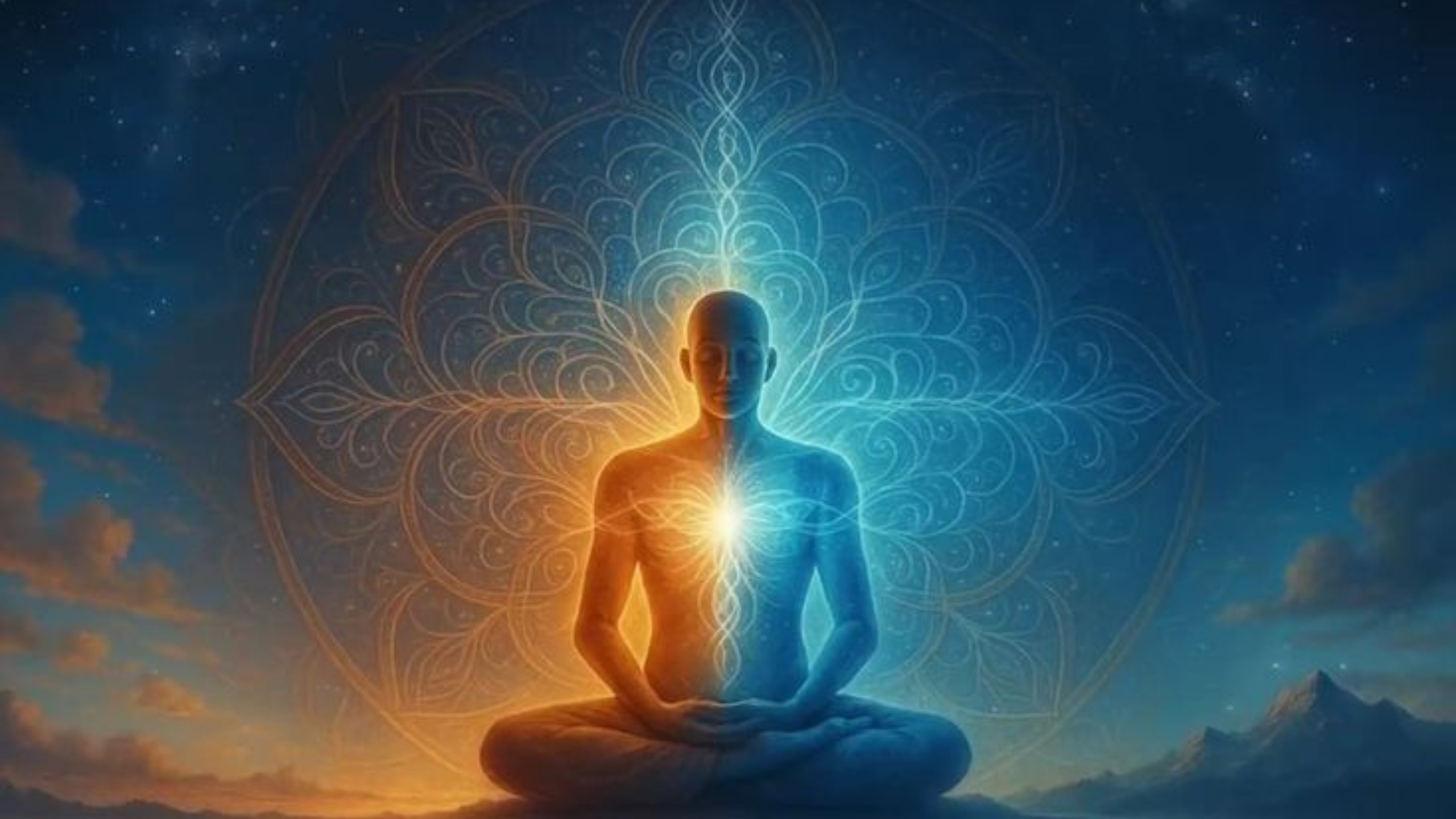
What does “Satyam Jnanam Anantam Brahma” mean?
Answer:
It means Brahman is absolute Truth, pure Knowledge, and infinite Reality.
👉 Life Connection:
This shifts focus from temporary achievements to discovering lasting truth within.
What is the nature of Bliss (Ananda)?
Answer:
The Upanishad declares that ultimate reality is bliss itself — not pleasure, but deep, unchanging fullness.
👉 Life Connection:
Real happiness does not depend on external success but on inner awareness. Click Here To Access.
What does the Bhāshyam (commentary) emphasize?
Answer:
Traditional commentary explains that liberation comes through knowledge (Jnana), gained by listening, reflection, and meditation — not rituals alone.
👉 Life Connection:
Information is everywhere today, but transformation requires reflection and clarity.
What is ignorance (Avidya) according to this text?
Answer:
Ignorance is identifying the Self with body, mind, and intellect instead of pure awareness.
👉 Life Connection:
When we think “I am my stress” or “I am my failure,” suffering increases. Self-knowledge reduces emotional pain.
What is the role of discipline and values?
Answer:
The Upanishad teaches ethical living, truthfulness, self-control, and respect for teachers as preparation for higher knowledge.
👉 Life Connection:
Character development strengthens mental stability and clarity in modern life. Click Here To Access.

How does it describe creation?
Answer:
It explains that the universe arises from Brahman, exists in Brahman, and dissolves back into Brahman.
👉 Life Connection:
Seeing life as part of a greater whole reduces fear and insecurity.
Why is the Taittiriya Upanishad relevant today?
Answer:
Because it provides a structured understanding of human personality and teaches how to move from stress and confusion to clarity and bliss. Click Here To Access.
👉 Life Connection:
In a world of pressure, comparison, and emotional instability, its wisdom builds confidence, balance, and inner peace.
Taittiriya Upanishad – Final Conclusion
The Taittiriya Upanishad is a profound spiritual text that systematically guides a seeker from outer identity to inner realization. By analyzing the five sheaths of human existence and declaring Brahman as infinite truth and bliss, it teaches that liberation comes from self-knowledge rather than external achievement. In today’s world of stress, competition, and identity confusion, its message offers clarity, emotional maturity, confidence, and lasting peace. Real happiness is not something to acquire — it is the very nature of the Self waiting to be discovered.