Introduction
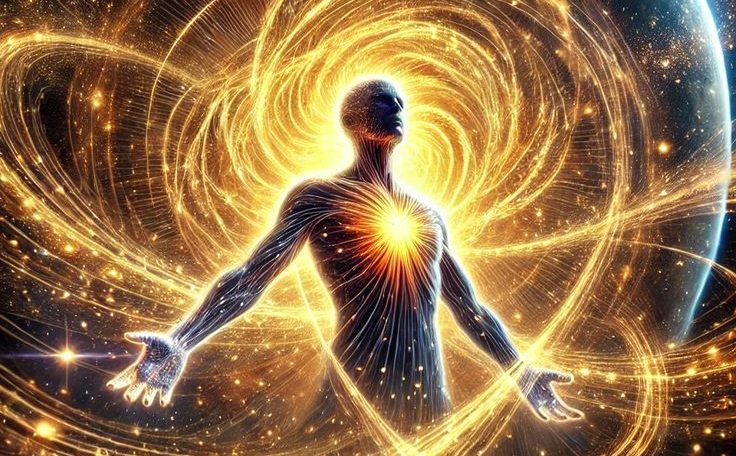
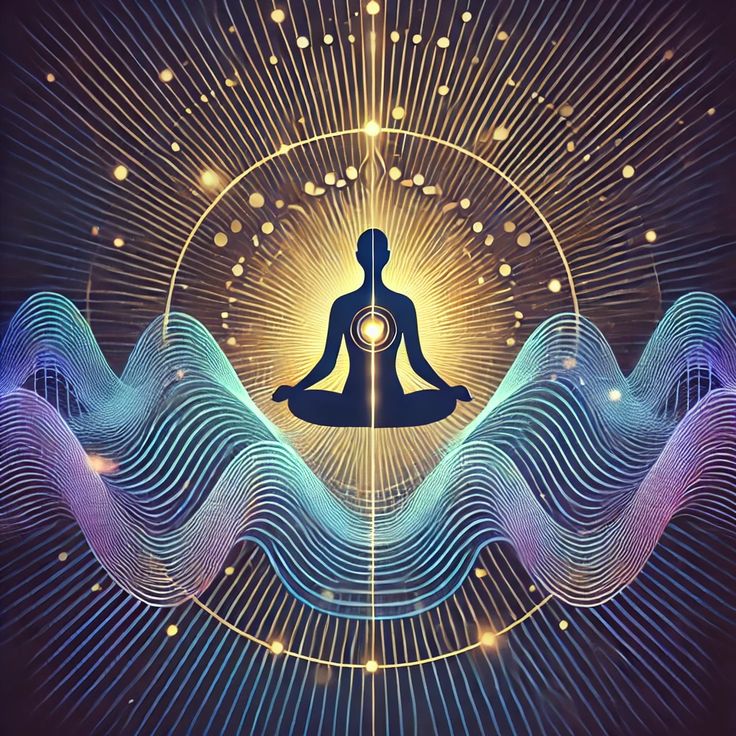
This meditation session is rooted in a profound mantra from the second chapter of the Bhagavad Gita, one of the most essential teachings on the immortality of the Atma (Self or pure Consciousness). The mantra explains that the Self is eternal, unborn, undying, and untouched by the transformations of the body and mind. The session emphasizes that while the body is temporary, subject to birth, growth, decay, and death, the Atma is timeless, self-existent, and unmodified. Memorizing and meditating on this mantra helps seekers shift their identification from the perishable body to the imperishable Self. Through reflection, repetition, and meditation on this teaching, practitioners cultivate peace, freedom from fear of death, and a deeper awareness of their true identity. Click Here To More Detail.

Themes (Explained in Depth)
Eternal Nature of the Atma
- The Self is never born and never dies.
- It is timeless and unaffected by the cycles of life and death.
Distinction Between Body and Self
- The body and mind are like containers that change and perish.
- The Atma is the unchanging content, the pure awareness inside.
The Atma as Witness Consciousness
-
-
The Self silently observes all changes — physical, emotional, and mental — without being altered.
-
The Power of Mantra
- Repetition of this Bhagavad Gita mantra strengthens understanding and anchors meditation.
- Words from scripture are not only philosophical but also carry spiritual vibrations.
Experiential Meditation Practice
- Meditation is not only about intellectual knowledge but about direct realization.
- By affirming “I am Atma,” one experiences identity beyond the body and mind.
Transcendence of Time and Change
- While the body is bound to time, the Self is timeless and unchanging.
- This frees seekers from fear and attachment to worldly ups and downs. Click To Access For Video.
Keywords (With Meaning)
- Atma (Self): Eternal consciousness, immortal and untouched by birth or death.
- Body-Mind Container: The changing vessel that holds experiences but is not the real self.
- Witness (Sakshi): Awareness that observes all phenomena without being affected.
- Mantra: Sacred verse from scripture used for meditation and realization.
- Eternal / Immortal: Timeless nature of the Self beyond past, present, and future.
- Bhagavad Gita: A central spiritual scripture teaching the eternal truth of the Atma.
- Detachment: Freedom from identifying with temporary changes of body and world.
Why Study
Studying this mantra and meditation is essential because:
- It removes the fear of death, one of the deepest human anxieties.
- It helps seekers recognize their true identity beyond physical form.
- It provides clarity of self-understanding — that you are eternal awareness, not the body.
- It connects you to authentic scriptural wisdom from the Bhagavad Gita and Upanishads.
- It offers a direct method of spiritual realization through mantra-based meditation.
Benefits (Explained)
- Spiritual Freedom – Understanding the Atma liberates from fear of death and attachment to the body.
- Peace of Mind – Shifting focus from changing forms to the eternal Self brings inner calm.
- Equanimity – The witness consciousness allows detachment from joy/sorrow, success/failure.
- Deep Meditation – Using mantra as an anchor improves focus and steadiness of practice.
- Inner Bliss – Recognition of the Self as immortal opens the experience of spiritual joy.
- Alignment with Tradition – Rooted in the Bhagavad Gita, this practice aligns the seeker with ancient wisdom. Click To Access For Video.
How Many Times to Study per Day (Practical Guidance)
Beginners:
- Once a day, 10–15 minutes.
- Memorize the mantra and repeat it slowly in meditation.
Intermediate Practitioners:
- Twice daily (morning and evening, 20–30 minutes each).
- Reflect on the meaning of the mantra before meditation.
Advanced Seekers:
- Three sessions daily (morning, noon, and night).
- Include mantra repetition, reflection on scriptural verses, and silent meditation.
👉 Even a few minutes daily, if done sincerely, can transform awareness. Consistency is more important than length. Click To Access For Video.
Conclusion
This meditation session highlights one of the core teachings of the Bhagavad Gita: the Self (Atma) is eternal, never born, and never dies. By meditating on this truth through mantra repetition and deep reflection, seekers move beyond fear, attachment, and identification with the body. The practice cultivates peace, detachment, and joy, allowing one to live from the standpoint of immortal consciousness rather than the fragile physical self. Ultimately, this teaching is not just knowledge but a direct doorway to realization — awakening to the timeless Self, the witness of all experiences, and the eternal truth within.