Introduction
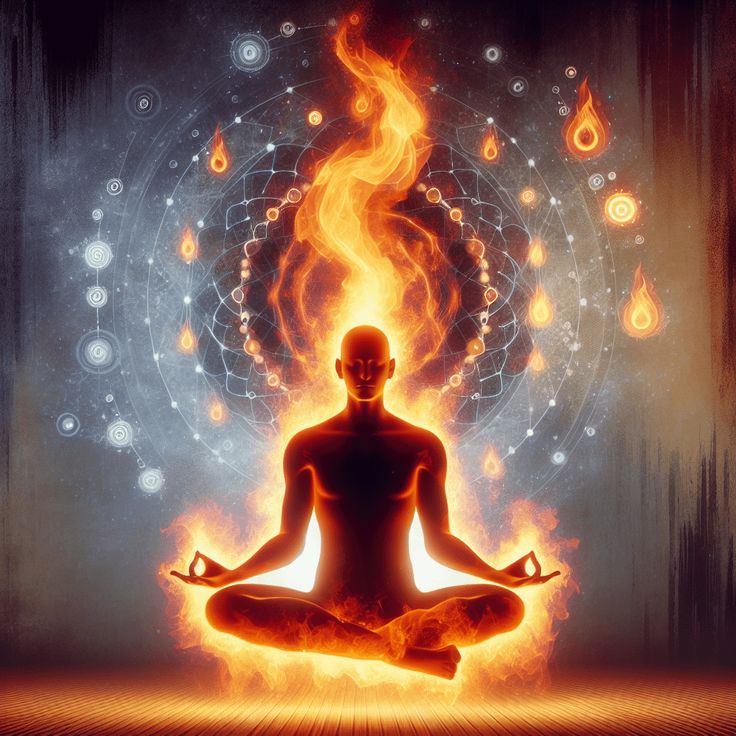
The fifth mantra of the first section of the second chapter presents a profound teaching from Lord Yama on the nature of Atma (the Self) and its relationship with the body, mind, and ego. This mantra emphasizes that fear, insecurity, and sorrow are not qualities of the Atma but are born from ego-identification and attachment (Rāga) to the body and the external world. The Atma, in contrast, is fearless, eternal, and self-illuminating, untouched by birth, death, or dualities. The meditation invites seekers to realize this truth and gradually free themselves from fear through self-awareness and detachment. Click Here To More Detail.

Themes
- Atma as Fearless and Eternal: Pure consciousness is untouched by death, change, or time.
- Body-Mind as Instruments: The body and mind function like a bulb lit by electricity—powered by Atma but not the source itself.
- Ego and Fear: Fear originates from ego’s false identification with body and desires.
- Detachment and Liberation: Reducing attachment (Rāga) dissolves fear and brings inner freedom.
- Meditation as Method: Proper posture and focused contemplation help internalize the truth of the Self.
Keywords
- Atma – Eternal Self, pure consciousness
- Sakshi – Witness, observer of all states
- Ahankara – Ego, the false “I” sense
- Rāga – Attachment, desire that binds the ego
- Fearlessness – The natural state of Atma when freed from desires
- Self-illumination – Atma’s independent light of awareness Click To Access For Video.
Why Study This Mantra?
Studying this mantra is vital because it directly addresses the root cause of human fear—the ego’s attachment to the temporary body and external world. By shifting identity from body-mind to Atma, one learns that true security is not in possessions, status, or relationships, but in the eternal Self. This teaching helps dissolve existential fears of death, loss, and change, guiding practitioners toward inner freedom and lasting peace.

Benefits of Study & Practice
- Freedom from fear and insecurity by reducing attachment.
- Detachment from desires, leading to equanimity in joy and sorrow.
- Strengthened meditation practice through posture and inner focus.
- Clarity of identity—recognition that “I am Atma, not the body or ego.”
- Fearlessness in facing life and death, rooted in awareness of immortality.
- Practical wisdom for daily challenges: staying calm, detached, and peaceful. Click To Access For Video.
How Many Times to Study Per Day?
- Morning (after waking): Read or meditate once to set a fearless, clear state for the day.
- Evening (before sleep): Reflect once to dissolve daily attachments and rest in peace.
- Optional Midday Practice: Short repetition or chanting of the mantra if the mind feels restless or anxious.
👉 Ideally: 2–3 times daily (morning, evening, and when needed) for gradual inner transformation. Click To Access For Video.
Conclusion
The fifth mantra teaches that fearlessness is our true nature. Fear only arises when the ego identifies with the body and its attachments. By meditating on Atma as the birthless, deathless, and self-luminous Self, practitioners dissolve desires and detach from dualities, naturally becoming fearless. With daily reflection and practice, one learns to live as the witness consciousness rather than the limited ego, gaining freedom, peace, and fulfillment. Ultimately, this mantra guides seekers to realize that the Self is eternal, secure, and beyond fear, inviting them to live with courage, clarity, and serenity.