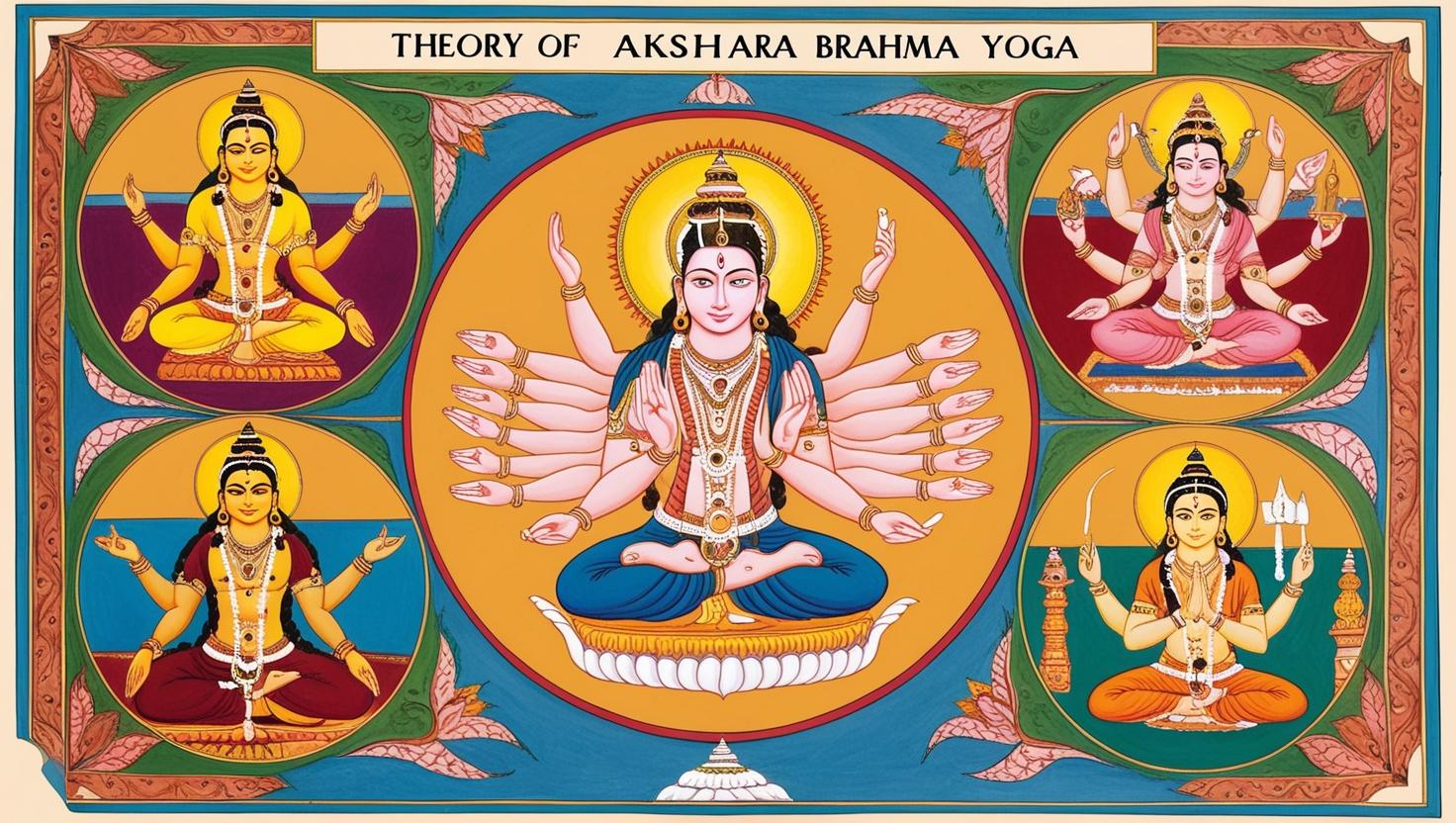
The Path of Yoga and the Control of the Mind
In these opening verses of Chapter 2, Yama teaches Nachiketa about the practice of Yoga and the importance of controlling the restless mind. He explains that the senses and mind often lead one away from the Self, causing bondage to the cycle of birth and death. Through discipline, withdrawal of the senses, and steady focus on the Self, the aspirant can overcome this turbulence. Yama emphasizes that conquering the mind is essential to attaining true knowledge and liberation. For More Information Click Here

Detailed Verse-by-Verse Explanation
Verse 1:
Yama begins by instructing that Yoga—the disciplined practice of spiritual union—is the means to gain mastery over the senses and mind. Yoga here is not just physical exercise but the inner practice of control, leading to tranquility and self-realization.
Verse 2:
The mind is compared to a restless bird that cannot settle anywhere. This metaphor highlights the natural tendency of the mind to flit from one thought or object to another, causing distraction and preventing focus.
Verse 3:
Without the ability to control this wandering mind, all spiritual efforts become ineffective. Peace and clarity are impossible while the mind remains unstable, making mental mastery a prerequisite for progress.
Verse 4:
The senses constantly pull the mind outward toward external objects and desires. This outward pull keeps the individual attached to worldly pleasures and causes suffering and bondage to the cycle of birth and death. For More Information Click Here

Verse 5:
The aspirant is advised to withdraw the senses from their external objects, turning them inward. This sense withdrawal (pratyahara) is essential to prevent distractions and create the conditions for deep meditation.
Verse 6:
Steady and consistent practice of discipline calms the mind’s fluctuations. This discipline involves focusing attention inward, away from sensory distractions, which gradually brings about mental stillness.
Verse 7:
When the mind is fully controlled and steady, the individual becomes free from all bondage—attachments, fears, and suffering—and experiences bliss. This liberation is the goal of all spiritual practice.
Verse 8:
Yama acknowledges the subtlety and elusiveness of the mind, describing it as difficult to grasp and control. This verse encourages perseverance despite the challenges posed by the mind’s nature.
Verse 9:
With a controlled and steady mind, the aspirant can realize the true Self, which is beyond death and decay. This realization marks the attainment of immortality and ultimate freedom. For More Information Click Here

Adi Shankaracharya’s Insights: Mastery of Mind as the Foundation for Liberation
Adi Shankaracharya highlights that in these verses, Yama reveals the central role of mind control and sense withdrawal in spiritual progress. According to Shankara, the mind is naturally restless and prone to distractions, which keep the individual trapped in ignorance and samsara (the cycle of birth and death). The practice of Yoga, involving disciplined meditation and detachment, helps still the mind’s fluctuations (vrittis), allowing the seeker to perceive the Self clearly.
Shankara explains that without controlling the mind, the aspirant cannot attain true knowledge because the mind’s instability clouds perception. He emphasizes that the senses tend to pull one outward, reinforcing attachment and suffering, so withdrawing them inward is essential. The steady and persistent effort to master the mind is the key to breaking free from bondage and realizing the immortal Self, culminating in liberation (moksha). For More Information Click Here

Conclusion
These verses underscore that the restless mind and sense attachments are primary obstacles to self-realization. Yama’s teaching in this section establishes Yoga as the practical method for conquering mental distractions and focusing inward. Through persistent discipline, the seeker calms the mind, detaches from sensory temptations, and gains the clarity needed to realize the eternal Self. Mastery over the mind is thus indispensable for attaining freedom from death and suffering.
Join Our Classes:
The Upanishads are more than just ancient texts—they are timeless guides to living with clarity, balance, and inner peace. Our classes make their profound wisdom easy to understand and apply in everyday life. Join us to explore these teachings and discover a new way of seeing yourself and the world!