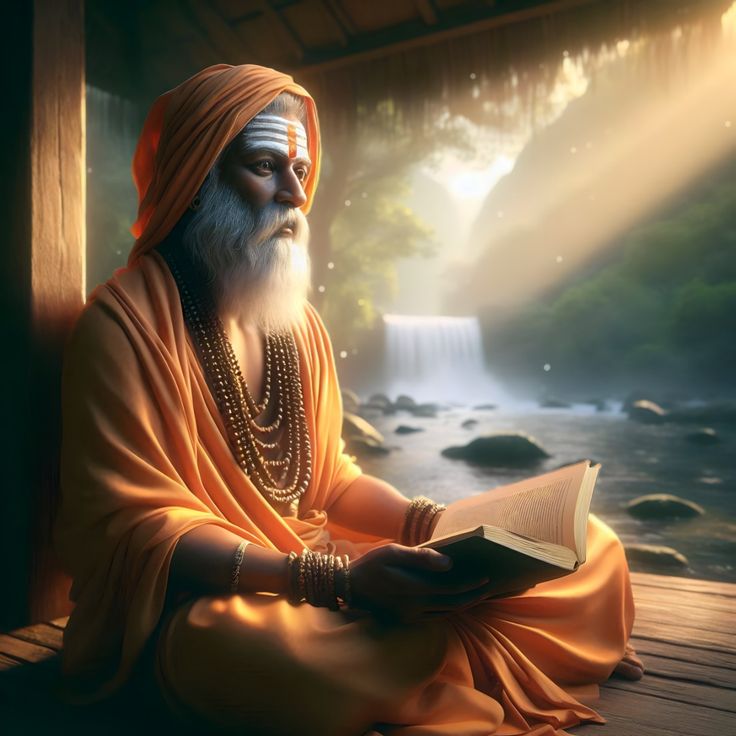
Chapter-1:Arjunavisada Yoga
Themes of Arjunaviṣāda Yoga (Chapter 1 of Bhagavad Gita)
-
Moral Dilemma and Emotional Turmoil
- Arjuna is torn between his duty (dharma) as a warrior and his emotions towards his family and teachers.
- This conflict represents the struggles humans face when making difficult moral decisions.
-
Compassion vs. Duty (Kṛpa & Dharma Sangata)
- Arjuna feels deep compassion (kṛpa) and does not want to fight, even though it is his duty as a Kshatriya.
- This contrast highlights the battle between personal emotions and societal responsibilities.
-
Attachment and Delusion (Moha & Vishāda)
- Arjuna’s sorrow (viṣāda) is due to attachment (moha) to his loved ones.
- His delusion makes him forget his greater duty and clouds his judgment.
-
Fear of Sin and Consequences
- Arjuna worries about committing sin (pāpa) by killing his kin.
- He fears that war will lead to social destruction and loss of righteousness (kuladharma).
-
The Nature of True Strength and Weakness
- Despite being a great warrior, Arjuna is emotionally weak.
- This highlights that true strength is not just physical but also mental and spiritual.
-
Symbolism of Surrender and Seeking Guidance
- Arjuna realizes he cannot resolve his dilemma alone.
- This moment of despair eventually leads him to surrender to Krishna’s wisdom in the next chapter.
-
Setting the Stage for the Gita’s Teachings
- Arjuna’s crisis is universal—everyone faces doubt and suffering in life.
- His struggle becomes the foundation for Krishna’s teachings on duty, devotion, and detachment.

Characters of Arjunavishada Yoga (The Yoga of Arjuna’s Dejection)
In Arjunavishada Yoga, the first chapter of the Bhagavad Gita, the primary characters are:
Summary of Characters in Arjunavishada Yoga
- Arjuna: The protagonist who faces an intense emotional and moral crisis about fighting in the war.
- Krishna: The observer and divine guide who will offer wisdom to Arjuna in the following chapters.
- Bhishma and Drona: Arjuna’s elders and mentors, whom he is reluctant to harm.
- Other Kaurava and Pandava Warriors: Their presence and relationships with Arjuna add to his internal conflict.
1. Arjuna
- Role: Arjuna is the central character of the chapter. He is a renowned warrior and the prince of the Pandavas. His internal struggle forms the core of the chapter.
- Characteristics: Arjuna is a person of great integrity, courage, and skill in archery. However, in this chapter, he faces a moral and emotional crisis, overwhelmed with grief, confusion, and doubt about fighting in the war. He is torn between his duty (Dharma) as a warrior and his compassion for his family and friends on the opposing side.
- Struggle: Arjuna’s conflict arises from the thought of killing his relatives, teachers, and loved ones in the battle. His sorrow and moral dilemma leave him unable to act, leading to his dejection.
2. Lord Krishna
- Role: Krishna is Arjuna’s charioteer and spiritual guide. Although he does not immediately intervene, Krishna listens to Arjuna’s concerns and prepares to provide guidance in the chapters that follow.
- Characteristics: Krishna is calm, composed, and detached, embodying divine wisdom and understanding. As the divine incarnation, he understands the nature of life and the world and will soon offer Arjuna spiritual teachings to resolve his inner turmoil.
- Struggle: While Krishna does not actively participate in the conversation in this chapter, his role is essential, and he will soon impart spiritual wisdom to help Arjuna overcome his crisis.
3. Bhishma
- Role: Bhishma is a revered elder, Arjuna’s grandfather, and a great warrior on the Kaurava side. His presence in the war makes Arjuna’s conflict even more intense.
- Characteristics: Bhishma is a symbol of honor, duty, and sacrifice. Although deeply respected, he is now fighting for the Kauravas, creating emotional conflict for Arjuna, who does not want to harm him.
- Struggle: Arjuna’s love and respect for Bhishma make it particularly painful for him to consider fighting against him.
4. Drona
- Role: Drona is Arjuna’s teacher and a significant figure on the battlefield, fighting for the Kauravas. He is another important figure Arjuna does not wish to harm.
- Characteristics: Drona is a highly respected teacher and master of military arts. His role as Arjuna’s mentor deepens Arjuna’s emotional conflict about fighting on the opposite side.
- Struggle: Arjuna’s deep affection and respect for Drona make it difficult for him to imagine fighting against his teacher.
5. Other Kaurava and Pandava Warriors (Indirectly Mentioned)
- While not directly speaking in this chapter, other key figures in the battle are mentioned by Arjuna, amplifying his emotional turmoil. These include:
- Duryodhana: The leader of the Kauravas and Arjuna’s cousin, who is seen as the antagonist.
- Yudhishthira, Bhima, Nakula, Sahadeva: Arjuna’s brothers, who are on the Pandava side.
- Ghatotkacha, Arjuna’s son, also indirectly mentioned, adds to Arjuna’s emotional conflict regarding family and relationships.
- These relationships, filled with personal bonds, contribute to Arjuna’s distress about the war.
6. Other Minor Characters
- Kripa, Ashwatthama, Karna: Other important warriors fighting for the Kauravas who contribute to Arjuna’s feelings of conflict and sorrow, as they too are family members, allies, or respected figures.

Bhagavad Gita – Chapter 1, Verse 1 (1.1) Explanation
Verse in Sanskrit
धृतराष्ट्र उवाच
धर्मक्षेत्रे कुरुक्षेत्रे समवेता युयुत्सवः।
मामकाः पाण्डवाश्चैव किमकुर्वत सञ्जय।।1.1।।
Transliteration
dhṛitarāśhtra uvācha
dharma-kṣhetre kuru-kṣhetre samavetā yuyutsavaḥ
māmakāḥ pāṇḍavāśhchaiva kimakurvata sañjaya
Word-by-Word Meaning
- dhṛitarashtraḥ uvacha – Dhritarashtra said

- dharma-kṣhetre – in the land of dharma
- kuru-kṣhetre – in Kurukshetra
- samavetaḥ – assembled together
- yuyutsavaḥ – desirous of battle
- mamakaḥ – my sons (the Kauravas)
- paṇḍavaḥ – the sons of Pandu (the Pandavas)
- cha eva – and certainly
- kim akurvata – what did they do?
- sanjaya – O Sanjaya
Translation
Dhritarashtra said: “O Sanjaya, what did my sons and the sons of Pandu do when they had assembled together, eager for battle, on the holy plain of Kurukshetra?”More Then Information For Click here to View Chapter 1 Note.
Commentary and Analysis
1. Context of the Verse
- This is the opening verse of the Bhagavad Gita, spoken by King Dhritarashtra, the blind ruler of the Kuru dynasty.
- He is inquiring about the events of the battle from Sanjaya, his charioteer and advisor, who has been granted divine vision by Sage Vyasa to witness the war remotely.
2. Importance of “Dharma-Kṣhetra” (Land of Dharma)
- Dharmakshetra refers to a place where righteousness is upheld.
- Kurukshetra is both a historical battlefield and a symbolic place of dharma-yuddha (righteous war).
- The use of “dharmakshetra” implies that righteousness (dharma) will prevail over unrighteousness (adharma).
3. The Bias of Dhritarashtra
- He refers to his sons as “māmakāḥ” (my people) and the Pandavas separately, showing his partiality.
- This distinction indicates his emotional attachment and lack of neutrality in the war.
4. Dhritarashtra’s Doubt and Fear
- He asks “kim akurvata?” (What did they do?) because he is uncertain about the outcome.
- Since Kurukshetra is a land of righteousness, he fears that the influence of dharma may weaken the resolve of his sons (Kauravas), giving advantage to the Pandavas.
5. Role of Sanjaya
- Sanjaya, being impartial and wise, acts as the narrator of the Gita.
- His name means one who has conquered desires, representing an unbiased and clear perspective.
Conclusion
-
-
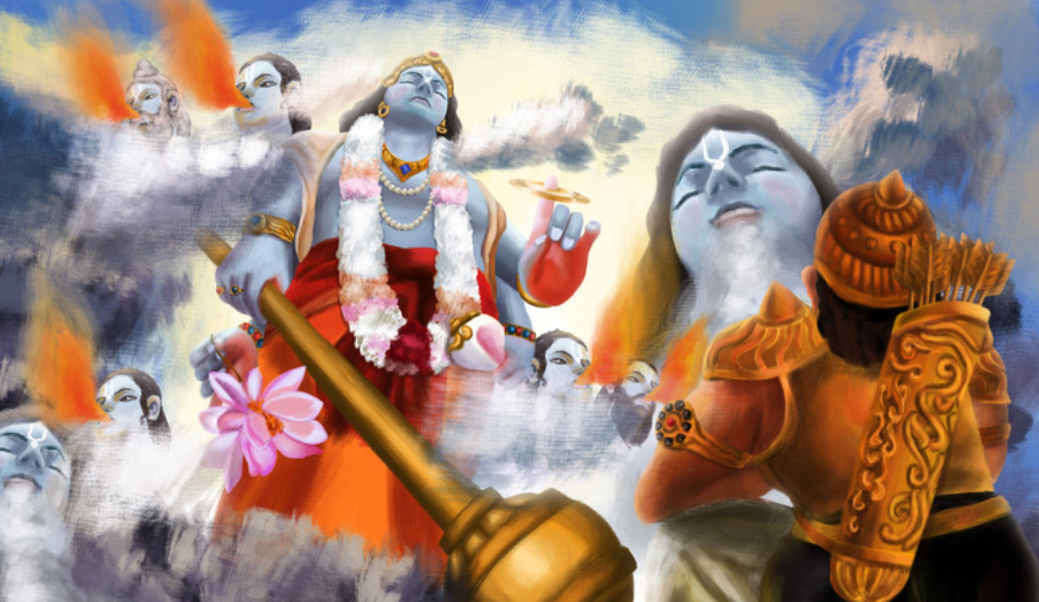
- This verse sets the stage for the Bhagavad Gita, establishing the setting of the battle and highlighting Dhritarashtra’s anxiety.
- The use of dharmakshetra suggests that righteousness will ultimately prevail.
- Dhritarashtra’s biased thinking contrasts with Sanjaya’s neutrality, hinting at the larger theme of selfish attachment vs. righteous duty that will unfold in the Gita.
-
Join Our Classes:
The Bhagavad Gita is more than just a book—it’s a guide to living with balance and peace. Our classes make its deep wisdom easy to understand and apply in everyday life. Join us to explore the teachings and see the world in a new light!