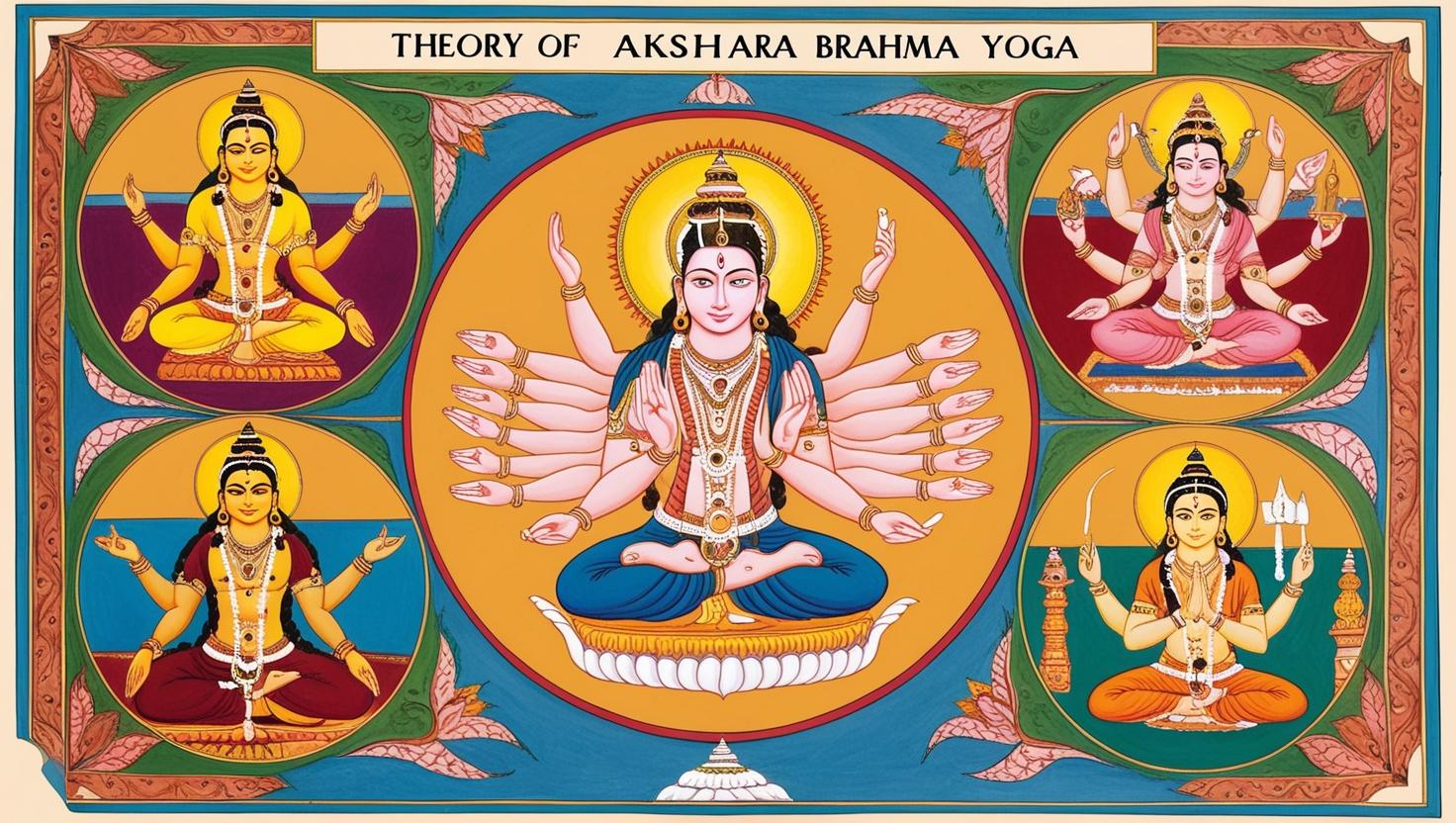
Chapter 2 – Nature of the Self and the Path to Liberation
Chapter 2 presents a detailed dialogue between Lord Rama and Hanuman on the nature of the self and the means to attain liberation. Rama explains that the ultimate reality (Brahman) is eternal, unchanging, and beyond all dualities, and that the individual self (Atman) is identical with it. The text emphasizes self-inquiry, meditation, and detachment as essential practices for realizing this truth. Rama also highlights the importance of knowledge combined with devotion in attaining moksha. The chapter categorizes different types of seekers and the corresponding spiritual paths suitable for each. Overall, it provides a comprehensive guide to self-realization and liberation, integrating philosophical insight with practical spiritual discipline. For More Information Click Here

Verse-by-Verse Summary – Chapter 2
- Hanuman asks Rama to explain the ultimate reality and the means to attain liberation.
- Rama describes Brahman as eternal, unchanging, and beyond all dualities.
- The individual self (Atman) is identical with Brahman.
- Ignorance of this identity causes bondage and suffering.
- Knowledge of the self leads to liberation from worldly attachments.
- The mind must be purified through ethical conduct and meditation.
- Desirelessness and detachment support spiritual progress.
- Self-inquiry is the primary means to realize the self.
- Rama explains that meditation on the self leads to bliss.
- The self is beyond birth, death, and decay.
- Liberation is the natural state when ignorance is removed.
- Devotion to the supreme supports understanding of the self.
- The seeker must cultivate discrimination (viveka) between the real and unreal.
- Renunciation of attachment to sensory pleasures is necessary.
- Rama emphasizes that the self is pure consciousness.
- Meditation should be practiced with steadiness and focus.
- The supreme self is unmanifest yet present in all beings.
- Knowledge alone, without practice, is insufficient for liberation.
- Ethical living creates the foundation for spiritual realization.
- The seeker should cultivate humility and patience.
- Meditation on Brahman dissolves the ego and dualities.
- True happiness comes from self-realization, not worldly pleasures.
- The self is unaffected by joy or sorrow.
- Liberation frees one from fear, grief, and rebirth.
- The mind must be disciplined to grasp the nature of the self.
- Rama explains that all beings possess the potential for liberation.
- Spiritual guidance from a qualified Guru accelerates progress.
- The Upanishads are the supreme means of attaining knowledge.
- The seeker should study scriptures with devotion and attention.
- Brahman is the source, sustainer, and end of all beings.
- Attachment to worldly objects leads to repeated births.
- Knowledge removes the veil of ignorance covering the self.
- Meditation on the eternal self grants supreme bliss.
- The self is beyond all qualities (guna) and actions (karma).
- Rama instructs Hanuman on the importance of self-discipline.
- Detachment does not mean neglect of duties, but renunciation of attachment.
- The seeker should treat all beings with equanimity.
- Knowledge of Brahman destroys fear of death and suffering.
- The self is beyond mind, intellect, and ego.
- Rama emphasizes the unity of the individual soul with Brahman.
- Liberation is attained when the mind ceases to cling to the unreal.
- Devotion (bhakti) purifies the heart and aids realization.
- The self is imperishable, eternal, and ever-free.
- Discrimination between the transient and eternal is essential.
- Meditation leads to the direct experience of the self.
- The self alone is the witness of all experiences.
- Knowledge of the self dispels ignorance and suffering.
- Rama explains the stages of spiritual progress for aspirants.
- The seeker must cultivate concentration and inward focus.
- Brahman is beyond speech, thought, and perception.
- True knowledge transcends intellectual understanding.
- The mind must be withdrawn from external objects.
- Inner peace arises from realization of the self.
- Self-realized beings see the same self in all creatures.
- Liberation is beyond all dualities of pleasure and pain.
- Rama advises practice of meditation with devotion and perseverance.
- Ethical conduct and self-restraint are essential for progress.
- Knowledge and devotion together lead to ultimate bliss.
- The seeker attains freedom from all bonds of karma.
- The self is constant, unmoving, and indestructible.
- Rama emphasizes that meditation leads to dissolution of ego.
- The supreme self is the substratum of all phenomena.
- Liberation results from the removal of ignorance and desire.
- The mind should be directed toward the eternal self.
- Self-inquiry reveals the non-dual nature of reality.
- Rama explains that all paths ultimately lead to knowledge of Brahman.
- Devotion and study of scriptures must be pursued together.
- The self is the ultimate witness of all actions.
- Liberation is attained by those who realize their identity with Brahman.
- The self is beyond all limitations of time and space.
- Rama advises constant remembrance of the self through meditation.
- Ignorance binds beings to the cycle of birth and death.
- Knowledge of the self dissolves all fears and doubts.
- The self is blissful, eternal, and ever-free.
- Rama assures Hanuman that devoted practice leads to liberation.
- Hanuman resolves to follow Rama’s instructions and attain self-realization.

Shankaracharya’s Insights – Chapter 2
Shankaracharya interprets Chapter 2 as a profound exposition of Advaita Vedanta, emphasizing that the individual self (Atman) is non-different from the supreme reality (Brahman). He explains that ignorance (avidya) causes the illusion of duality, leading to attachment, suffering, and the cycle of rebirth, while knowledge (jnana) removes this ignorance, revealing the eternal, blissful nature of the self. Ethical conduct, meditation, and detachment are not ends in themselves but support the seeker in attaining self-realization. The Upanishads, according to him, provide systematic guidance for understanding Brahman, and a qualified Guru is essential to remove doubts and clarify subtle meanings. Shankaracharya stresses that liberation is experiential, achieved through direct insight into one’s true nature rather than mere intellectual understanding. This chapter, he notes, integrates philosophical knowledge with practical discipline, offering a complete roadmap for attaining moksha. For More Information Click Here
Core Teaching – Chapter 2
Chapter 2 teaches that liberation (moksha) is attained through self-knowledge (Atma Jnana) and realization of the non-dual nature of reality (Advaita). The individual self (Atman) is identical with Brahman, and ignorance of this truth causes bondage and suffering. Ethical conduct, detachment, meditation, and devotion support the seeker on the path to self-realization. The Upanishads are the supreme guide, and the guidance of a qualified Guru is essential for proper understanding. The chapter emphasizes that direct experience of the self, beyond intellect and ritual, leads to eternal bliss and freedom from all dualities. It integrates philosophical insight with practical discipline, providing a comprehensive framework for attaining moksha. For More Information Click Here

Conclusion – Chapter 2
Chapter 2 establishes that the ultimate reality is non-dual (Brahman) and that the individual self (Atman) is its true essence. Liberation is attained through self-knowledge, meditation, ethical living, and devotion, guided by a qualified Guru. The chapter underscores the central role of the Upanishads in revealing the path to moksha and clarifies that spiritual practice must combine intellectual understanding with direct experience. By emphasizing detachment, self-inquiry, and disciplined study, it provides seekers with a complete roadmap to transcend worldly bonds, dissolve ignorance, and realize the eternal, blissful, and imperishable nature of the self.
Join Our Classes:
The Upanishads are more than just ancient texts—they are timeless guides to living with clarity, balance, and inner peace. Our classes make their profound wisdom easy to understand and apply in everyday life. Join us to explore these teachings and discover a new way of seeing yourself and the world!