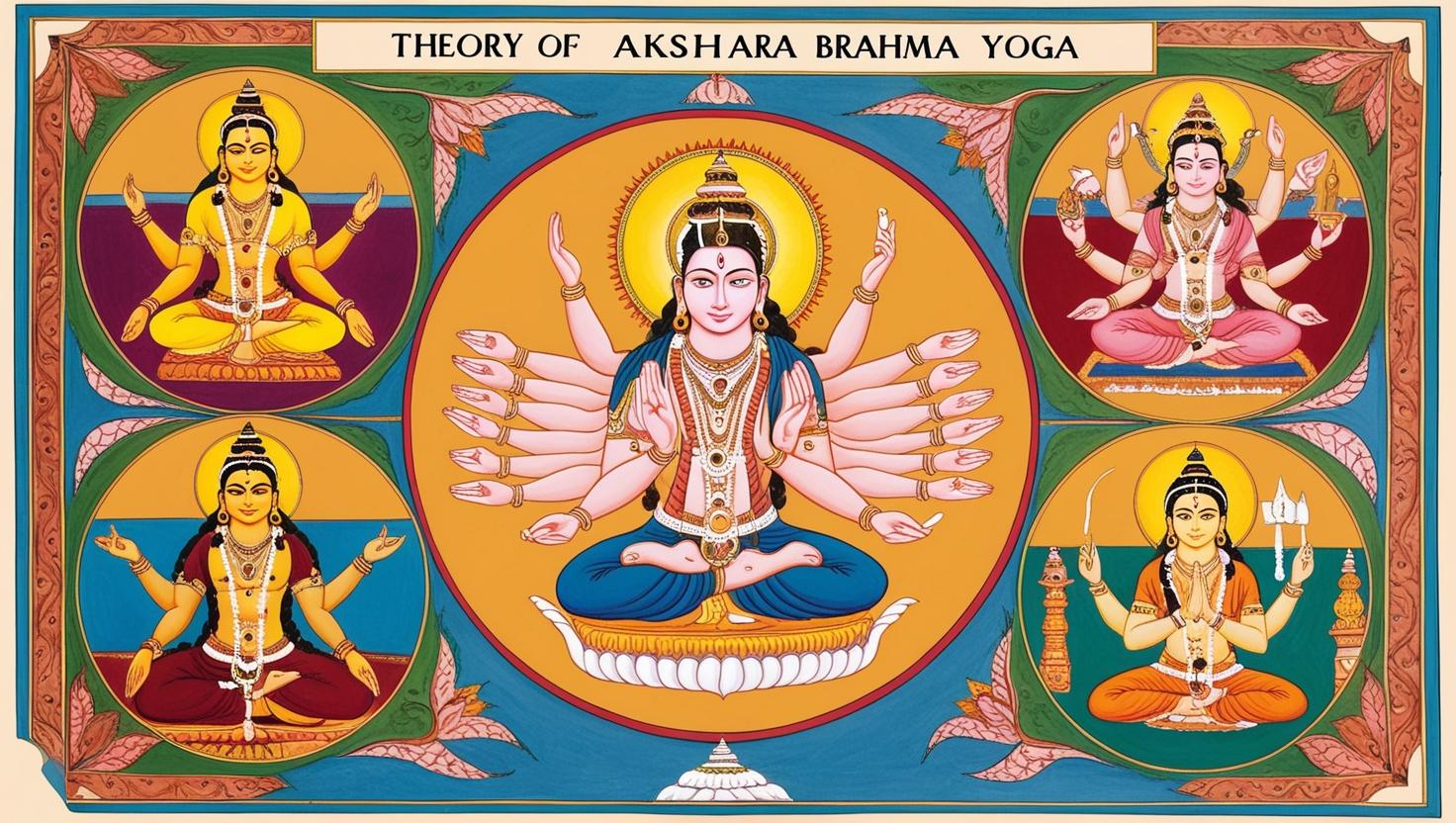
Essence of the Kaivalyopanishad: Self-Realization as the Path to Absolute Freedom
The Kaivalyopanishad is a profound Vedantic text that emphasizes inner renunciation and meditation on the Self as the means to liberation. In a dialogue with Lord Brahma, Sage Ashvalayana learns that devotion to Lord Shiva, combined with knowledge of the non-dual Self (Atman = Brahman), leads to kaivalya—absolute independence and freedom. The Upanishad rejects rituals and external worship, instead highlighting Self-realization through introspection and detachment. It teaches that the Self is unborn, eternal, and beyond duality. The seeker is urged to go beyond body-consciousness and rest in pure awareness. Ultimately, it affirms that liberation comes through recognizing one’s own Self as the infinite Brahman. For More Information Click Here

What is the Kaivalyopanishad?
The Kaivalyopanishad is a minor Upanishad associated with the Krishna Yajur Veda. The term Kaivalya means “absolute aloneness” or “liberation”, referring to the state of spiritual freedom where the Self (Atman) is realized as non-different from Brahman, the Supreme Reality.
It presents a dialogue between the sage Ashvalayana and Lord Brahma, where the seeker inquires about the path to the highest liberation. Lord Brahma responds by emphasizing the importance of faith, devotion, meditation, and Self-knowledge. The text weaves together elements of Advaita Vedanta and Bhakti (devotion), especially devotion to Lord Shiva.
Structure of the Kaivalyopanishad:
- The Kaivalyopanishad has only 1 chapter.
- It contains 24 verses in total.
Despite its brevity, the Kaivalyopanishad is a powerful spiritual text that summarizes the essence of non-duality, renunciation, inner purity, and direct realization of the Self as the path to kaivalya moksha—complete and final liberation.
Core Teachings of the Kaivalyopanishad: The Path to Absolute Liberation
The Kaivalyopanishad teaches that liberation (kaivalya moksha) is attained through the realization of the Self (Atman) as Brahman, the infinite and non-dual reality. This Upanishad blends the paths of knowledge (Jnana) and devotion (Bhakti), offering a complete spiritual vision.
Here are its core teachings:
- Self-Realization is the Goal:
The highest purpose of life is to realize the Atman, which is eternal, formless, and beyond dualities. This realization leads to freedom from birth and death. - Non-Dualism (Advaita):
The Upanishad affirms that there is no difference between the individual self and Brahman. Knowing this truth leads to absolute freedom. - Inner Purity and Renunciation:
True liberation requires mental purity, detachment from worldly attachments, and focus on the Self through meditation and introspection. - Role of Devotion:
Deep devotion to Lord Shiva is presented as a powerful aid in the journey to Self-knowledge, making the Upanishad unique among Advaitic texts. - Transcending Rituals:
Rituals and external worship are declared secondary. The inner realization of the Self is the direct and ultimate means to moksha. - State of Kaivalya:
The liberated soul resides in absolute independence, untouched by karma or rebirth—this is the state of Kaivalya, or aloneness in unity.
In essence, the Kaivalyopanishad proclaims that liberation is not gained through action but through knowing one’s true Self, supported by inner renunciation, devotion, and unwavering contemplation of Brahman. For More Information Click Here

Authorship and Philosophical Vision of the Kaivalyopanishad
Like most Upanishads, the Kaivalyopanishad does not have a specific human author. It is regarded as apauruṣeya—“not of human origin”—and is believed to be a revealed text (śruti), passed down through the oral tradition of ancient Indian sages.
Voice and Style of the Text:
The Upanishad is structured as a dialogue between Sage Ashvalayana and Lord Brahma. This format is symbolic:
- Sage Ashvalayana represents the earnest seeker, seeking liberation.
- Lord Brahma, the Creator, embodies divine wisdom and imparts the ultimate truth of Self-realization.
This dialogue structure suggests that the wisdom expressed is from the divine source itself, rather than an individual philosopher.
Philosophical Outlook Reflected in the Text:
The Kaivalyopanishad combines two major streams of Indian spiritual thought:
- Advaita Vedanta (Non-dualism):
- The text affirms that the individual Self (Atman) is non-different from Brahman.
- Liberation (kaivalya) is attained by knowing one’s true nature as infinite consciousness.
- Devotion (Bhakti) to Lord Shiva:
- Uniquely, the Upanishad blends pure Vedantic knowledge with heartfelt devotion.
- It declares that devotion to Shiva, when combined with inner purity and meditation, leads to Self-realization.
Although the Kaivalyopanishad has no individual author, its teachings reflect the voice of the highest spiritual authority—uniting the wisdom of non-dual philosophy with the path of devotion. It offers a complete spiritual vision: that one who is inwardly detached, meditates deeply, and is devoted to the Divine will ultimately realize their own identity with Brahman, attaining Kaivalya—supreme liberation.
Significance of the Kaivalyopanishad: A Guide to Self-Knowledge and Liberation
The Kaivalyopanishad holds a unique and revered place among the minor Upanishads due to its clear, concise synthesis of Advaita Vedanta and Bhakti (devotion). Though brief, its teachings provide profound insights into the nature of the Self and the path to liberation (Kaivalya).
Here are the key reasons for its importance:
- Synthesis of Jnana and Bhakti:
The Kaivalyopanishad beautifully blends non-dual knowledge with devotion to Lord Shiva, making it accessible to both knowledge-oriented and devotion-oriented seekers. - Direct Path to Liberation:
It emphasizes Self-realization as the sole means to moksha, rejecting reliance on rituals, caste, or external religious duties. - Clarity on the Self:
The Upanishad presents the Atman (Self) as unborn, eternal, pure consciousness—identical with Brahman, the Supreme Reality. This clear teaching is essential for understanding Advaita Vedanta. - Accessible to Sincere Seekers:
Its short, poetic structure allows it to be easily studied and meditated upon, offering direct spiritual guidance to those on the inner path. - Universal Relevance:
By focusing on inner purity, meditation, and Self-knowledge, the Kaivalyopanishad transcends religious boundaries and speaks to all sincere aspirants seeking truth.
In essence, the Kaivalyopanishad is a timeless spiritual text that points directly to the goal of human life—liberation through Self-knowledge—and outlines a universal path that integrates wisdom, devotion, and inner stillness. For More Information Click Here
Conclusion
The Kaivalyopanishad stands as a luminous guide for seekers of truth, offering a powerful blend of non-dual wisdom and heartfelt devotion. It teaches that liberation (kaivalya) is not attained through rituals or external practices, but through inner renunciation, deep meditation, and realization of the Self as one with Brahman. By combining the philosophical clarity of Advaita Vedanta with the devotional intensity toward Lord Shiva, the Upanishad presents a complete spiritual path. Its concise yet profound teachings continue to inspire those who seek freedom, truth, and eternal peace through Self-knowledge and divine awareness.
Join Our Classes:
The Upanishads are more than just ancient texts—they are timeless guides to living with clarity, balance, and inner peace. Our classes make their profound wisdom easy to understand and apply in everyday life. Join us to explore these teachings and discover a new way of seeing yourself and the world!